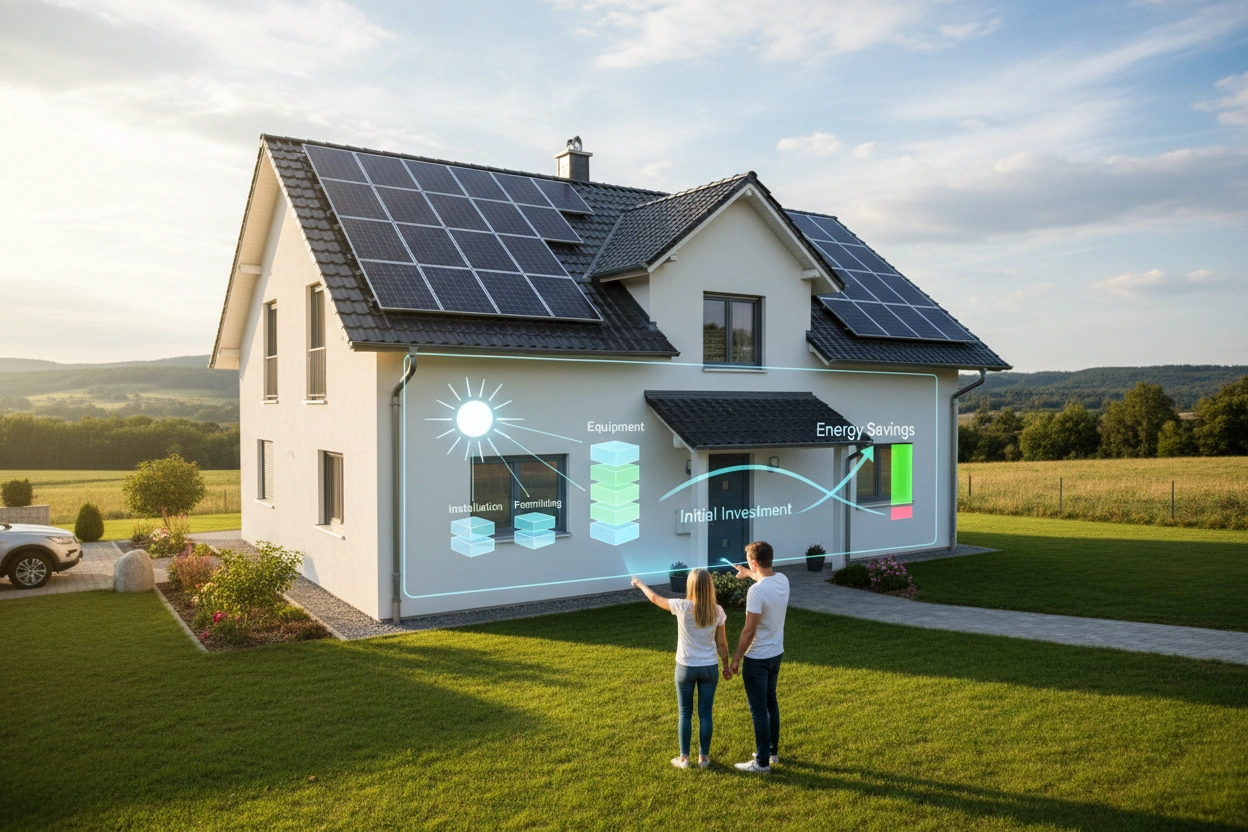
Calculating Your Home’s Cost of Solar: A Step-by-Step Guide
Understanding the cost of solar energy is essential for homeowners considering a transition to renewable energy. With the increasing emphasis on sustainability and rising energy costs, solar panels are becoming a viable option for many households. However, calculating the cost of solar can be complex, involving various factors such as equipment, installation, and ongoing maintenance. This guide will provide a comprehensive breakdown of how to calculate your home's solar panel pricing, helping you make an informed decision about your solar investment.
Understanding the Cost of Solar
The cost of solar installation can vary significantly based on multiple factors. In 2026, the average price of solar panels has decreased, making solar energy more accessible. However, it's crucial to understand what influences these costs to budget effectively.
Factors Influencing Solar Panel Pricing
Several key elements play a role in determining the overall cost of solar for your home:
Type of Solar Panels: There are various types of solar panels, including monocrystalline, polycrystalline, and thin-film. Each type has different efficiency levels and price points. Monocrystalline panels tend to be the most efficient and expensive, while polycrystalline panels offer a more budget-friendly option.
Installation Costs: Labor costs can vary widely depending on your location and the complexity of the installation. It's essential to get multiple quotes from qualified installers to understand the labor component of your solar project.
Incentives and Rebates: Government incentives, tax credits, and local rebates can significantly reduce the upfront costs of solar installation. Researching available incentives in your area can help you save money.
System Size: The size of your solar system is directly related to your energy needs and the space available for installation. Larger systems will generally have a higher initial cost but may provide greater long-term savings.
Common Misconceptions About Solar Costs
When considering the cost of solar, several misconceptions can lead to confusion:
Solar is Too Expensive: While the initial investment can be significant, many homeowners find that solar pays off over time through reduced electricity bills and available incentives.
All Solar Panels Are the Same: Different panels have varying efficiencies and warranties. Investing in higher-quality panels can lead to better long-term performance.
Solar is Only for Sunny Areas: Even in regions with less sunlight, solar panels can still generate substantial energy. Advances in solar technology allow for efficient energy production in diverse weather conditions.
How to Calculate Your Home's Solar Panel Pricing
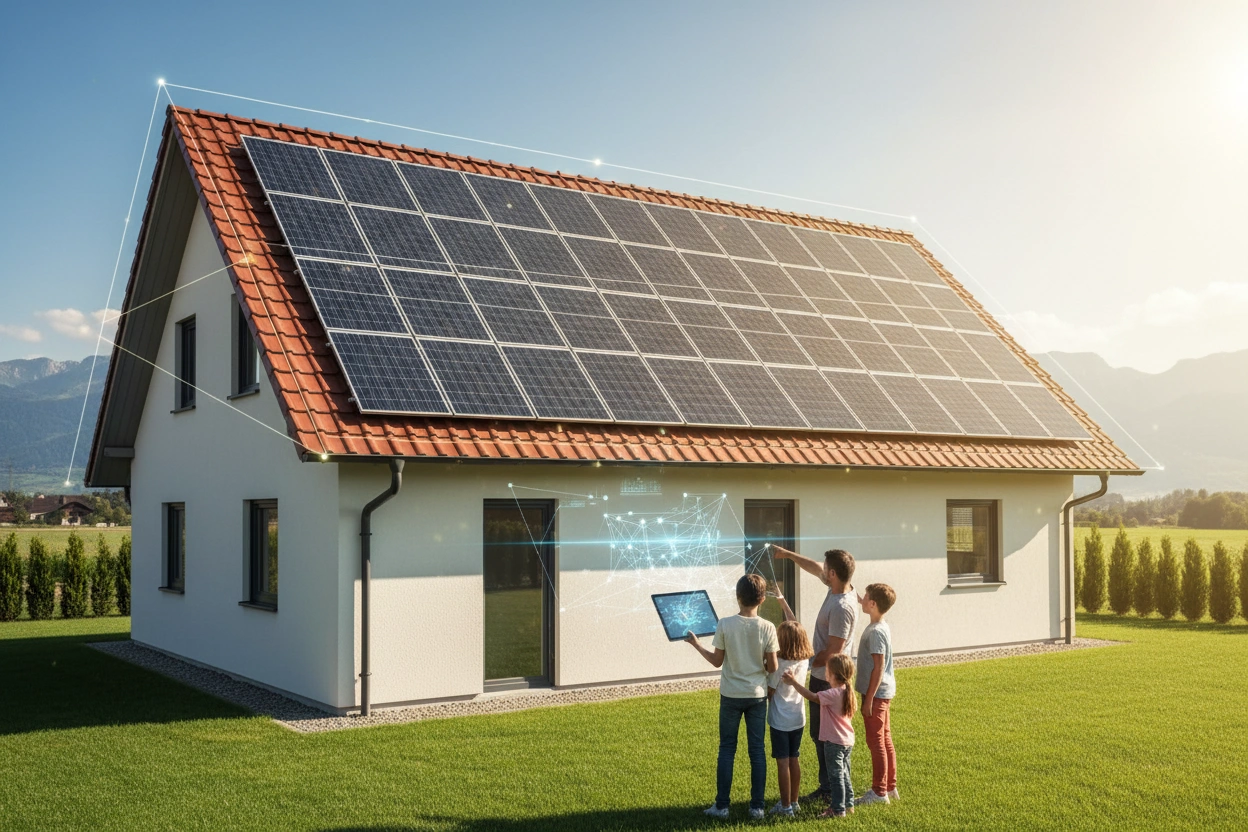
Calculating the cost of solar involves several steps. By following a systematic approach, you can estimate the total investment required for your solar energy system.
Step 1: Assess Your Energy Needs
Begin by evaluating your energy consumption. Review your electricity bills from the past year to determine your average monthly usage in kilowatt-hours (kWh). This information is vital for sizing your solar system appropriately.
Step 2: Determine System Size
Once you know your energy needs, you can calculate the size of the solar system you'll need. The formula to estimate system size is:
- System Size (kW) = Average Monthly Usage (kWh) / Average Peak Sun Hours (hours/day) / 30 days
For example, if your average monthly usage is 900 kWh and you receive an average of 5 peak sun hours per day, your calculation would be:
- System Size = 900 kWh / (5 hours/day * 30 days) = 6 kW
Step 3: Research Solar Panel Pricing
Next, gather information on solar panel pricing. As of 2026, the average cost of solar panels ranges from $2.50 to $3.50 per watt, depending on the type and brand. Multiply the system size by the cost per watt to estimate your panel costs.
For example, if you need a 6 kW system and panels cost $3 per watt:
- Total Panel Cost = 6,000 watts * $3/watt = $18,000
Step 4: Include Additional Costs
In addition to the panel costs, consider the following:
Installation Fees: Installation costs can add 10-20% to your total. If installation is $1,800 for your 6 kW system, add this to your total.
Permits and Inspections: Local regulations may require permits or inspections, which can vary in cost.
Inverter and Other Equipment: An inverter converts the solar energy into usable electricity for your home. This can range from $1,000 to $3,000 depending on the system size.
Step 5: Account for Incentives
Finally, research local and federal incentives that may lower your overall costs. The federal solar tax credit allows you to deduct a percentage of your solar system costs from your taxes. As of 2026, this credit is set at 26%.
Using the example above, if your total cost (after adding installation and equipment) is $20,000, your tax credit would be:
- Tax Credit = $20,000 * 26% = $5,200
This brings your effective cost down to $14,800.
Common Mistakes to Avoid
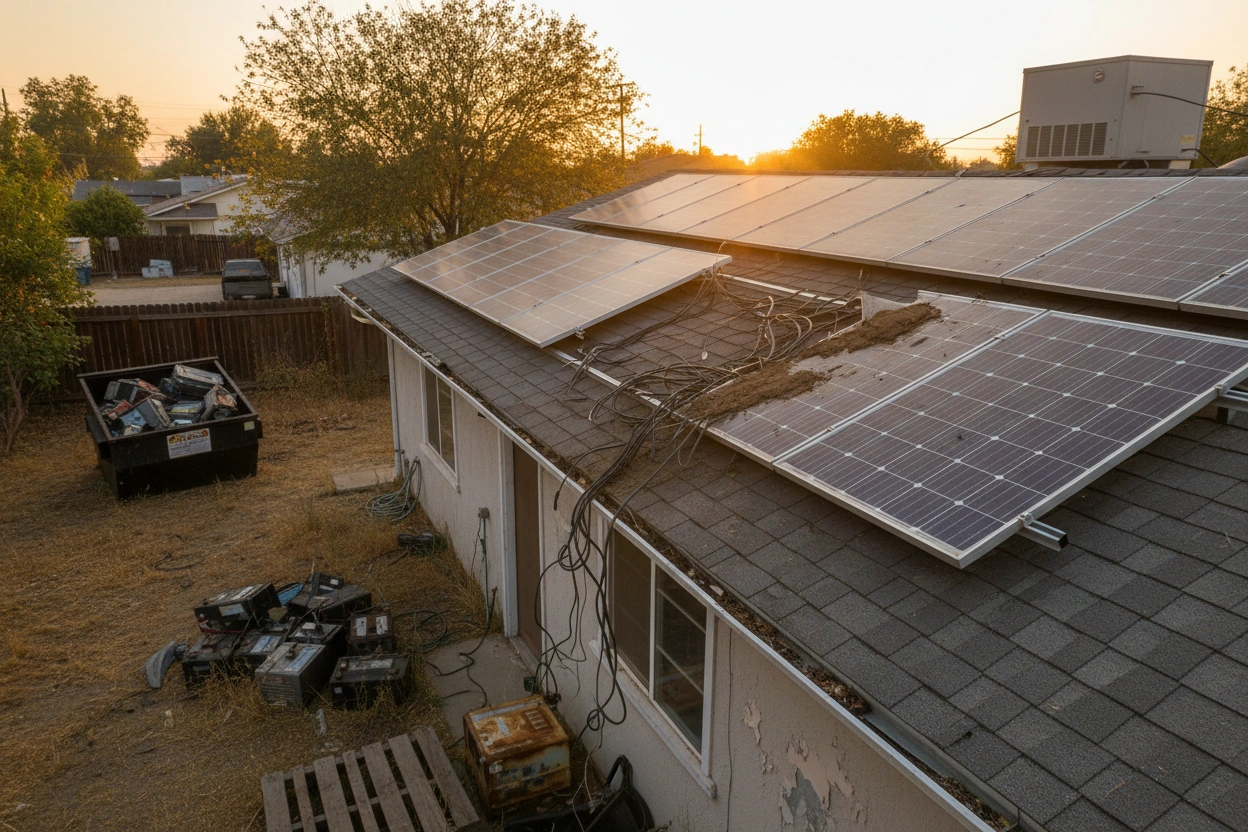
When calculating the cost of solar, homeowners often make several mistakes that can lead to inaccurate estimates:
Underestimating Energy Needs: Failing to accurately assess your energy consumption can result in a system that is too small to meet your needs.
Ignoring Maintenance Costs: While solar panels require minimal maintenance, budgeting for occasional repairs and cleaning is essential.
Neglecting to Shop Around: Getting multiple quotes from different installers can help you find the best price and quality for your solar installation.
The Financial Benefits of Solar Energy
Investing in solar energy can provide significant financial benefits over time. Understanding these advantages can help you justify the initial investment.
Long-Term Savings
One of the most compelling reasons to invest in solar is the potential for long-term savings on your electricity bills. Homeowners with solar panels can save hundreds to thousands of dollars annually, depending on their energy consumption and local utility rates.
Increased Home Value
Solar panels can increase the resale value of your home. Studies have shown that homes with solar energy systems sell for more than comparable homes without solar. This added value can be a significant return on investment when you decide to sell.
Energy Independence
By generating your own electricity, you reduce your dependence on the grid and protect yourself from rising energy costs. This independence can provide peace of mind, especially during times of energy shortages or price spikes.
Understanding Financing Options
Financing your solar installation is an important consideration. Several options are available to help you manage the upfront costs.
Cash Purchase
Paying for your solar system in cash is the simplest option and allows you to avoid interest payments. This method provides immediate savings on your electricity bills.
Solar Loans
Solar loans allow you to finance your system while making monthly payments. Many lenders offer loans specifically for solar installations with favorable terms.
Leases and Power Purchase Agreements (PPAs)
If you prefer not to purchase the system outright, leasing is an option. With a lease, you pay a fixed monthly payment for the use of the solar panels. A PPA allows you to pay for the electricity generated rather than the system itself.
The Role of SolarQuest AI in Your Solar Journey
Calculating the cost of solar and making informed decisions about your solar energy system can be overwhelming. SolarQuest AI is dedicated to simplifying this process, providing you with tools and resources to make the best choices for your home.
Harnessing Technology for Accurate Estimates
SolarQuest AI utilizes advanced algorithms to help homeowners accurately estimate their solar costs, taking into account local incentives and energy needs. By using our platform, you can receive tailored recommendations and detailed pricing breakdowns.
Expert Support
In addition to our tools, SolarQuest AI offers expert guidance throughout your solar journey. Our team is available to answer questions, help you navigate financing options, and connect you with qualified installers in your area.
The Financial and Environmental Benefits of Going Solar
Investing in solar energy is not just about saving money; it is also about making a positive impact on the environment. By reducing your carbon footprint and contributing to a more sustainable future, you can feel good about your decision to go solar.
Embracing Renewable Energy
By transitioning to solar power, you are choosing a renewable energy source that can help combat climate change. Every kilowatt-hour generated by solar panels reduces reliance on fossil fuels, contributing to a cleaner planet.
Supporting Local Economies
The solar industry creates jobs and stimulates local economies. By choosing solar, you are supporting renewable energy initiatives and helping to foster a sustainable energy economy.
Your Next Steps Towards Solar Energy
With a clear understanding of the cost of solar and how to calculate your home's solar panel pricing, you are now equipped to make informed decisions about your solar investment.
Take Action Today
If you're ready to explore solar energy for your home, consider reaching out to SolarQuest AI. Our resources can help you calculate your potential savings, understand financing options, and connect with reputable installers in your area.
Visit SolarQuest AI to learn more about how we can assist you in your journey towards sustainable energy solutions.