
Comparing Cost of Solar vs. Traditional Energy: What to Expect
The global energy landscape is rapidly changing, with more homeowners considering solar energy as a viable option compared to traditional energy sources. Understanding the cost of solar energy is essential for making informed decisions regarding energy consumption and financial investments. As of 2026, the financial benefits of solar energy are more attractive than ever, with a growing number of incentives and decreasing costs of installation and maintenance. This article aims to provide a comprehensive comparison of the costs associated with solar energy versus traditional energy, while also exploring the best solar incentives available in 2026.
Understanding the Cost of Solar

The cost of solar varies significantly based on multiple factors including system size, location, and installation quality. Generally, the overall expenses can be broken down into several components: equipment costs, installation costs, and maintenance costs.
Equipment Costs
Equipment costs refer to the price of solar panels and other necessary components like inverters and mounting systems. As of 2026, the average cost for residential solar panels has seen a notable decrease over the past decade.
- The average price of solar panels is approximately $2.50 to $3.50 per watt.
- Most residential systems range from 5 kW to 10 kW, leading to total equipment costs from $12,500 to $35,000 before incentives.
Installation Costs
Installation costs can vary based on geographical location and the complexity of the installation process.
- Typically, installation costs can account for 10% to 30% of the total system cost.
- Hiring reputable contractors with experience in solar installations can ensure quality work, which may prevent costly repairs down the line.
Maintenance Costs
While solar energy systems are relatively low-maintenance, some costs still need consideration.
- Regular inspections are advisable, which can cost anywhere from $150 to $300 annually.
- Cleaning the solar panels can also contribute to maintenance costs, although many homeowners find that rain naturally cleans their panels effectively.
Traditional Energy Costs Explained
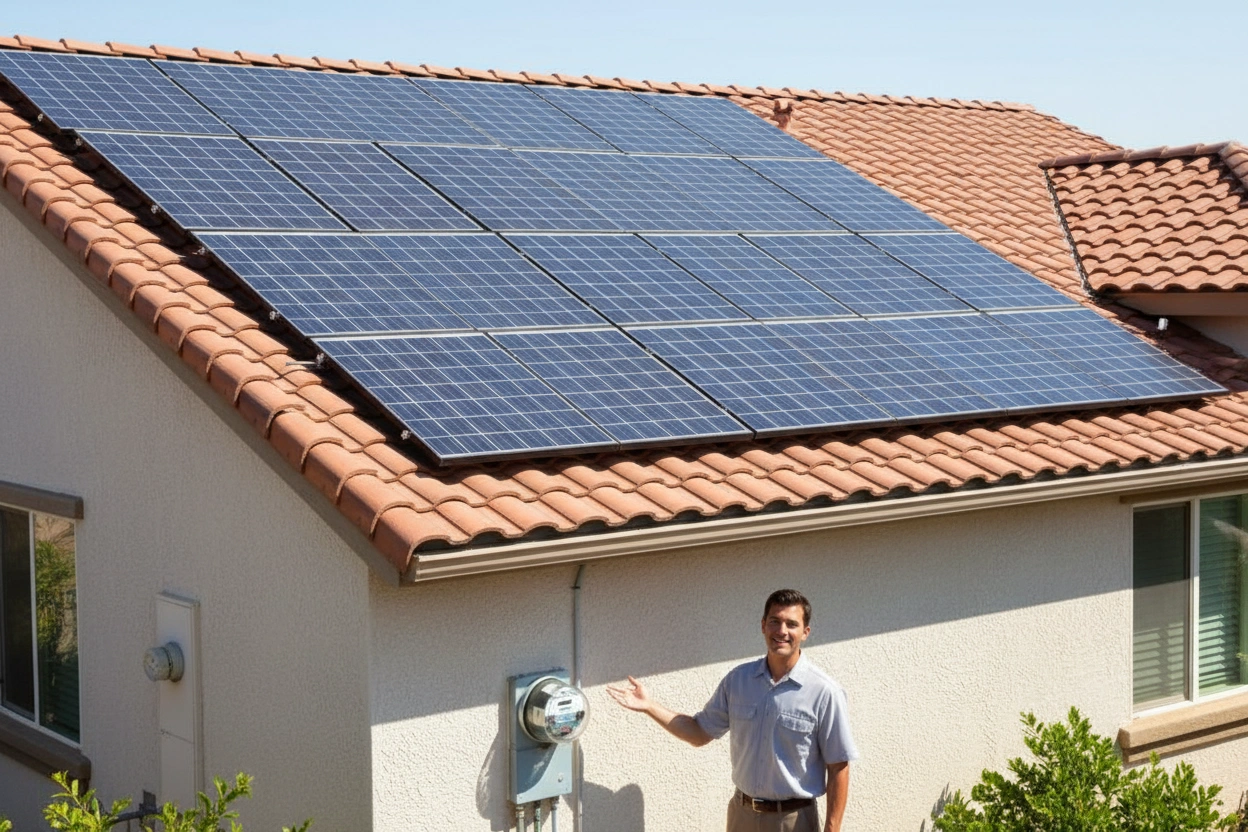
Traditional energy costs are primarily influenced by utility rates, which can fluctuate based on the energy market, regulations, and seasonal demand.
Utility Rates
Utility rates vary widely across regions and can be affected by various factors, including:
- The type of energy source (coal, natural gas, nuclear, renewables).
- Government regulations and policies regarding energy production and consumption.
- Supply and demand dynamics in the energy market.
Average Costs for Homeowners
In 2026, the average cost of electricity in the United States is approximately $0.13 to $0.15 per kilowatt-hour (kWh). This translates to significant monthly costs for average households.
- A typical home consumes about 877 kWh per month, resulting in an average monthly bill of $114 to $131.
- These costs can increase as utility companies raise rates, making solar energy more appealing as a long-term investment.
Comparing Solar and Traditional Energy Costs

When comparing the cost of solar to traditional energy, several factors come into play, including long-term savings, upfront costs, and environmental benefits.
Upfront Costs
The initial investment required for solar energy can be substantial, but financing options and incentives can mitigate these costs.
- Solar Loan: Allows homeowners to finance their solar systems over time while enjoying immediate savings on their utility bills.
- Leasing Options: Homeowners can lease solar panels with little to no upfront costs, though they may not benefit fully from tax incentives.
Long-Term Savings
The long-term savings associated with solar energy can be significant.
- Homeowners can save thousands of dollars over the lifespan of their solar systems, often achieving a return on investment within 5 to 10 years.
- After the payback period, solar systems can provide free electricity for 20 to 30 years, depending on the lifespan of the panels.
Environmental Impact
Solar energy provides a cleaner alternative to traditional energy sources, contributing to reduced carbon emissions and a smaller environmental footprint.
- Utilizing solar energy reduces dependence on fossil fuels, which are subject to price volatility and environmental regulations.
- Many consumers are increasingly prioritizing sustainability, making solar energy an attractive option.
Exploring the Best Solar Incentives Available in 2026
The financial landscape surrounding solar energy is influenced significantly by incentives provided by local, state, and federal governments. Understanding these incentives is crucial for maximizing the cost-effectiveness of solar investments.
Federal Investment Tax Credit (ITC)
One of the most notable incentives is the Federal Investment Tax Credit (ITC), which allows homeowners to deduct a percentage of the cost of their solar system from their federal taxes.
- As of 2026, the ITC stands at 26% of the total installation cost.
- This tax credit can substantially lower the upfront costs of solar energy, making it a more feasible option for many households.
State and Local Incentives
Many states and local governments offer additional incentives that can further reduce the cost of solar installations.
- Some states provide rebates for installing solar systems, which can range from a few hundred to several thousand dollars.
- Net metering policies allow homeowners to receive credits for the excess energy produced by their solar panels, offsetting future utility bills.
Renewable Energy Certificates (RECs)
Renewable Energy Certificates (RECs) provide another avenue for homeowners to generate income from their solar energy systems.
- Homeowners can sell RECs to utility companies that need to meet renewable energy mandates.
- This can provide additional revenue, further enhancing the financial benefits of solar installations.
Common Misconceptions About Solar Energy Costs
Despite the growing popularity of solar energy, several misconceptions persist regarding its costs and benefits. Addressing these misunderstandings can help potential solar buyers make informed decisions.
Misconception 1: Solar is Too Expensive
Many potential buyers believe that the initial costs of solar energy are prohibitively high. In reality, the combination of decreasing equipment costs, financing options, and available incentives significantly reduces the overall financial burden.
Misconception 2: Solar Panels Don't Work in Cloudy Climates
Another common belief is that solar panels are ineffective in regions with frequent cloud cover. While it is true that solar production may be lower on cloudy days, solar panels still generate energy even in low-light conditions.
Misconception 3: Solar Systems Require Extensive Maintenance
Some homeowners worry about the maintenance required for solar systems. In truth, solar energy systems are designed to be low-maintenance, with most homeowners only needing occasional cleaning and inspection.
Conclusion: The Cost of Solar Energy and the Role of SolarQuest AI
Understanding the cost of solar energy in comparison to traditional energy sources provides a clearer picture for homeowners considering this investment. The financial implications, coupled with the environmental benefits, make solar energy an appealing choice for many households.
SolarQuest AI is dedicated to helping homeowners navigate the complexities of solar energy. With access to accurate pricing information, financing options, and local incentives, SolarQuest AI equips you with the knowledge necessary to make informed decisions about your energy future.
For more information on how to maximize your investment in solar energy, contact SolarQuest AI today.