
Comparing State vs. Federal Solar Incentives: Which Saves More?
As interest in renewable energy continues to grow, solar incentives have become a vital component in making solar energy more accessible and affordable for homeowners and businesses alike. In 2026, understanding the differences between federal solar incentives is essential for anyone considering investing in solar power. This article will outline the various types of solar incentives available, compare their benefits, and provide actionable insights on maximizing savings through these programs.
Understanding Solar Incentives

Solar incentives are financial benefits designed to encourage the adoption of solar energy. These incentives can significantly reduce the upfront costs associated with installing solar panels, making them more appealing to a broader range of consumers. In the United States, these incentives come from both state solar incentives and federal governments, each offering unique benefits and requirements.
Types of Solar Incentives
Federal Solar Investment Tax Credit (ITC)
The ITC is a federal program that allows homeowners and businesses to deduct a significant percentage of their solar installation costs from their federal taxes. As of 2026, the ITC offers a 30% tax credit for solar systems installed on residential and commercial properties. This incentive has been a major driver of solar adoption across the country.State Solar Incentives
Each state has its own set of solar incentives, which can vary widely in terms of structure and benefits. Some common types include:- Rebates: Direct payments to homeowners after installation, helping to offset the initial costs.
- Performance-Based Incentives (PBIs): Payments based on the actual energy produced by the solar system over time.
- Sales Tax Exemptions: Many states exempt solar equipment from sales tax, reducing the overall cost of installation.
- Property Tax Incentives: Some states allow homeowners to exclude the added value of solar installations from property tax assessments.
Net Metering
Net metering is another key incentive that allows solar system owners to receive credit for the excess electricity they generate and feed back into the grid. This can lead to significant savings on electricity bills, making solar power more financially attractive.
Comparing State and Federal Solar Incentives
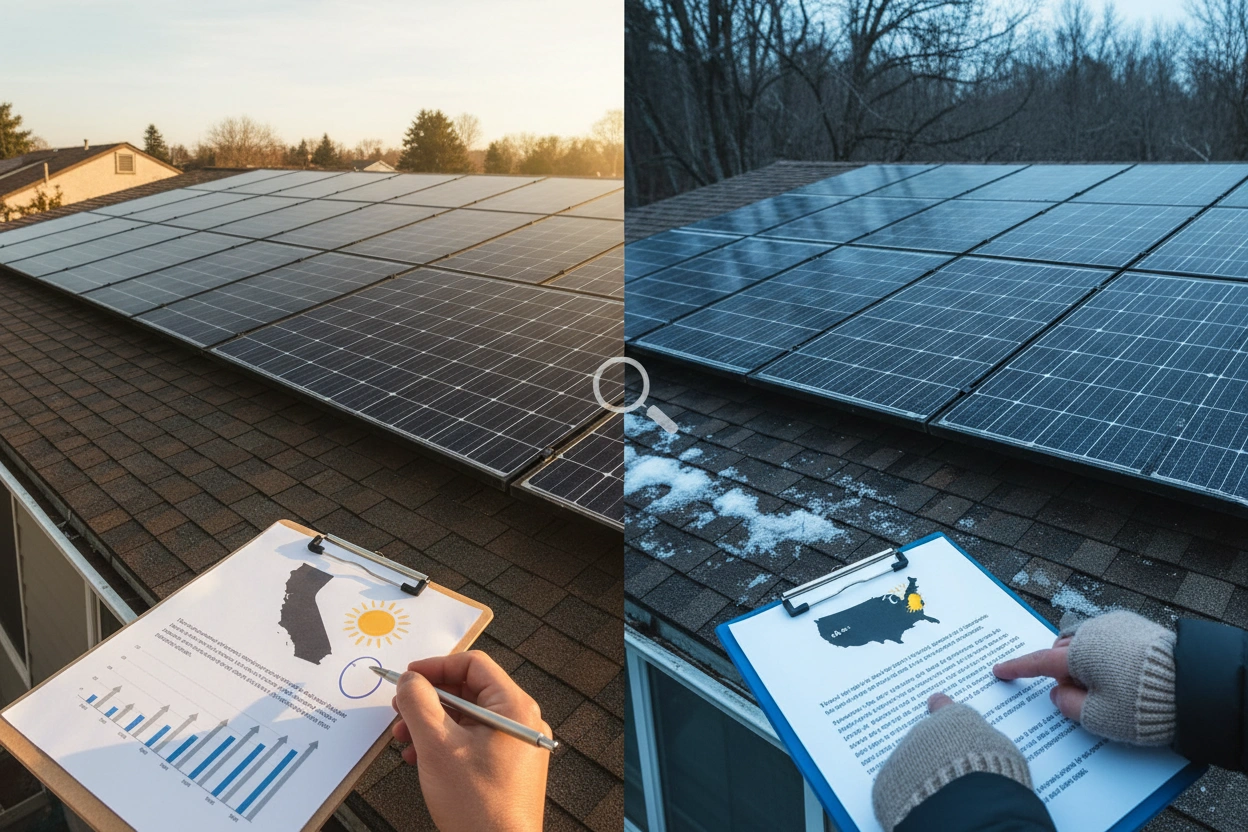
When evaluating solar incentives, it is crucial to understand the differences between state and federal offerings. While both types of incentives aim to promote solar energy adoption, they differ in scope, application, and potential savings.
Federal vs. State Incentives
Scope of Benefits
Federal incentives, such as the ITC, provide a broad benefit applicable to all taxpayers, while state incentives can vary significantly based on local policies and funding availability. Some states may offer substantial rebates, while others may have limited or no incentives at all.Application Process
The application process for federal incentives is typically standardized, allowing homeowners to claim the ITC on their federal tax returns. In contrast, state incentives often require separate applications and may involve additional documentation or eligibility criteria. This can add complexity to the process, making it essential for homeowners to research their specific state's requirements.Financial Impact
The financial impact of federal and state incentives can vary widely. For instance, while the ITC can provide a substantial upfront reduction in costs, state incentives may offer ongoing savings through rebates or net metering programs. Homeowners should evaluate their potential savings based on both types of incentives to determine the most beneficial approach. federal solar tax credit
Pros and Cons of Solar Incentives
Understanding the advantages and disadvantages of solar incentives can help consumers make informed decisions about their solar investments.
Pros
- Reduced Upfront Costs: Both state and federal incentives lower the initial financial barrier to solar adoption, making it more accessible for homeowners.
- Long-Term Savings: With ongoing incentives like net metering and performance-based incentives, homeowners can enjoy lower electricity bills for years to come.
- Environmental Benefits: Utilizing solar power reduces reliance on fossil fuels, contributing to a cleaner environment and promoting sustainability.
Cons
- Complexity: Navigating the various federal and state incentives can be confusing, requiring careful research and planning.
- Variability: State incentives can change frequently based on political and economic factors, leading to uncertainty for potential solar adopters.
- Limitations on Eligibility: Some incentives may have specific eligibility requirements, making it essential for homeowners to understand their situation before proceeding.
Top State Solar Incentives to Take Advantage Of

In 2026, several states are leading the way in providing attractive top state solar incentives that can significantly enhance savings for residents considering solar energy. Here are some of the top state solar incentives to explore:
California Solar Initiative
California offers a robust solar incentive program that includes cash rebates for solar systems based on their performance and size. Additionally, the state has a strong net metering policy, allowing homeowners to benefit from excess energy production.New York State Solar Incentive Program
New York provides a combination of rebates, tax credits, and a performance-based incentive program. The NY-Sun program aims to increase solar capacity and offers significant savings for residential solar installations.Massachusetts SMART Program
The Solar Massachusetts Renewable Target (SMART) program provides fixed payments for solar energy generated over a set period. This program is designed to support both residential and commercial solar projects, making it easier for homeowners to invest in solar.New Jersey Solar Renewable Energy Certificates (SRECs)
New Jersey's SREC program allows solar system owners to earn certificates for every megawatt-hour of electricity their systems produce. These certificates can be sold, providing an additional revenue stream for homeowners.Florida Property Tax Exemption
Florida offers a property tax exemption for solar installations, meaning homeowners won't see an increase in property taxes due to their solar investment. This incentive makes solar energy more financially appealing in the Sunshine State.
Common Misconceptions About Solar Incentives
As homeowners consider solar energy, several misconceptions can cloud their understanding of solar incentives. Addressing these misconceptions can empower consumers to make informed decisions.
Misconception 1: Solar Incentives Are Only for the Wealthy
Many people believe that solar incentives primarily benefit wealthy homeowners who can afford the initial investment. However, various financing options, such as solar loans and leases, make solar energy accessible to a wider audience. Additionally, state and federal incentives significantly lower upfront costs, making solar a viable option for many.
Misconception 2: All States Offer the Same Incentives
Another common misconception is that all states provide similar solar incentives. In reality, state policies vary widely, and some states offer more generous programs than others. Homeowners should research their specific state's incentives to understand their options fully.
Misconception 3: Solar Incentives Will Last Forever
While many solar incentives are currently available, there is no guarantee they will remain unchanged indefinitely. Federal incentives like the ITC have expiration dates and may be subject to legislative changes. Homeowners considering solar energy should take advantage of available incentives as soon as possible to maximize their savings.
How to Maximize Savings with Solar Incentives
To ensure homeowners benefit fully from solar incentives, several strategies can be employed:
Research State Incentives Thoroughly
Understanding the specific incentives available in your state is crucial. Resources like state energy offices and local solar associations can provide valuable information about current programs.Consult with a Solar Installer
Working with a reputable solar installer can help homeowners navigate the complexities of available incentives. Professionals can offer insights into which incentives apply to specific situations and help with the application process.Calculate Potential Savings
Before investing in solar, homeowners should calculate their potential savings based on available incentives. Tools and calculators are available online to help estimate costs and savings over time.Consider Timing
Solar incentives can change, so timing the installation of a solar system can significantly impact potential savings. Staying informed about upcoming changes to state and federal policies can help homeowners make strategic decisions.
The Future of Solar Incentives
Looking ahead, the landscape of solar incentives is likely to evolve. As the demand for renewable energy continues to grow, we may see more states developing innovative programs to encourage solar adoption. Additionally, federal policies may adapt to reflect changes in the energy market, potentially leading to new incentives or revisions of existing programs.
Potential Changes in Federal Incentives
While the ITC currently offers a significant tax credit, future legislative changes could impact its availability or percentage. Homeowners should stay informed about policy discussions at the federal level that could affect solar incentives.
Increased State-Level Initiatives
As more states recognize the benefits of solar energy, we may see an increase in state-level initiatives aimed at promoting solar adoption. This could include enhanced rebates, performance-based incentives, and innovative financing options designed to make solar energy more accessible.
The Role of SolarQuest AI in Your Solar Journey
Navigating the world of solar incentives can be complex, but resources like SolarQuest AI can assist homeowners in understanding their options. By utilizing advanced technology and expertise, SolarQuest AI can help identify the best solar incentives available based on individual circumstances.
How SolarQuest AI Can Help
SolarQuest AI offers tools and resources that simplify the process of researching and applying for solar incentives. Whether you're a homeowner looking to install solar panels or a business seeking to invest in renewable energy, SolarQuest AI can provide tailored guidance to maximize savings and streamline the application process. claiming your home solar incentives
By leveraging the knowledge and resources available through SolarQuest AI, you can make informed decisions about your solar investments, ensuring that you benefit fully from both state and federal solar incentives.
For more information on how to take advantage of solar incentives, contact SolarQuest AI today. Let us help you navigate the incentives landscape and achieve your solar energy goals.