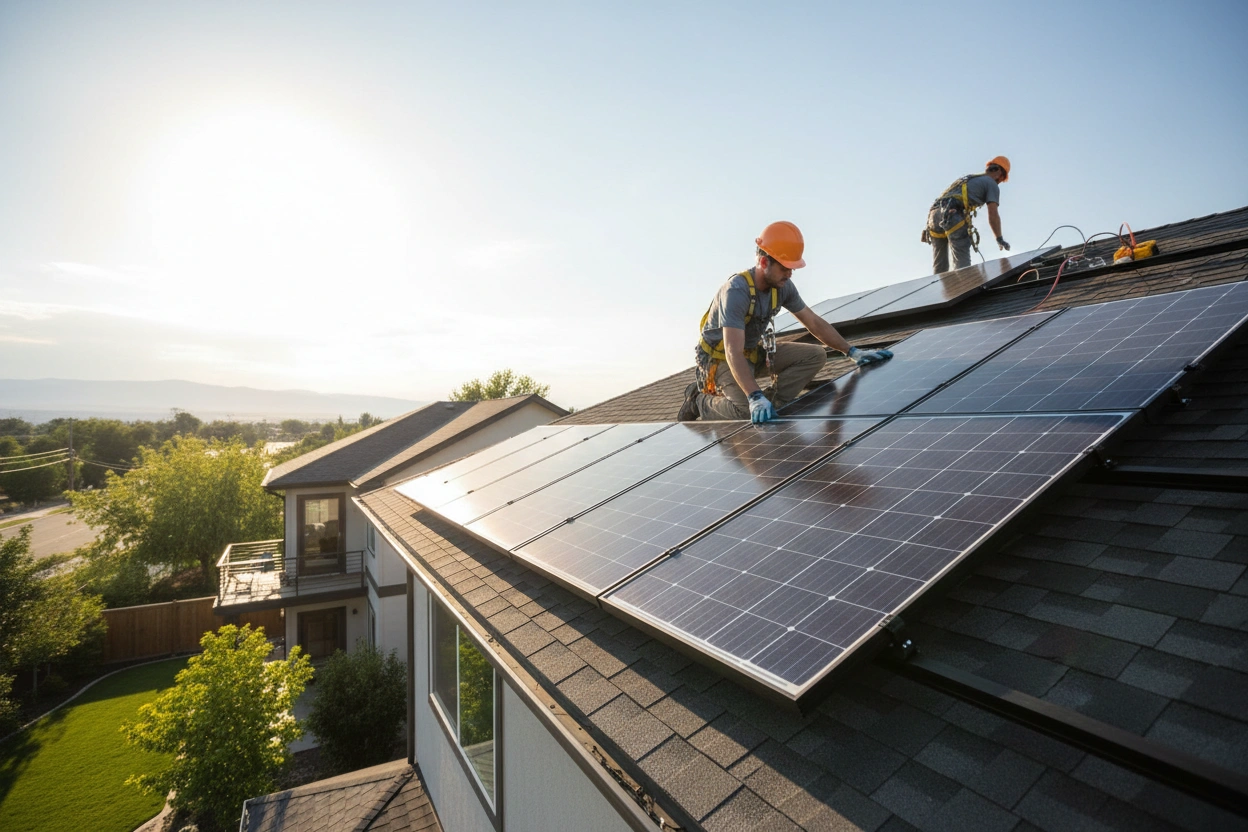
Navigating the Solar Panel Installation Process: A Complete Guide
As the demand for renewable energy continues to rise, many homeowners are considering solar energy as a viable solution to reduce utility costs and minimize their carbon footprint. This solar installation guide aims to provide a thorough understanding of the solar panel installation process, including considerations for both DIY and professional installations.
Understanding the solar installation process is crucial for making informed decisions. This guide will break down each stage of the process, providing actionable insights to help you navigate the complexities of solar energy installation. Whether you are considering a DIY approach or hiring professionals, knowing what to expect will empower you to make the best choice for your home and energy needs.
Understanding the Solar Panel Installation Process
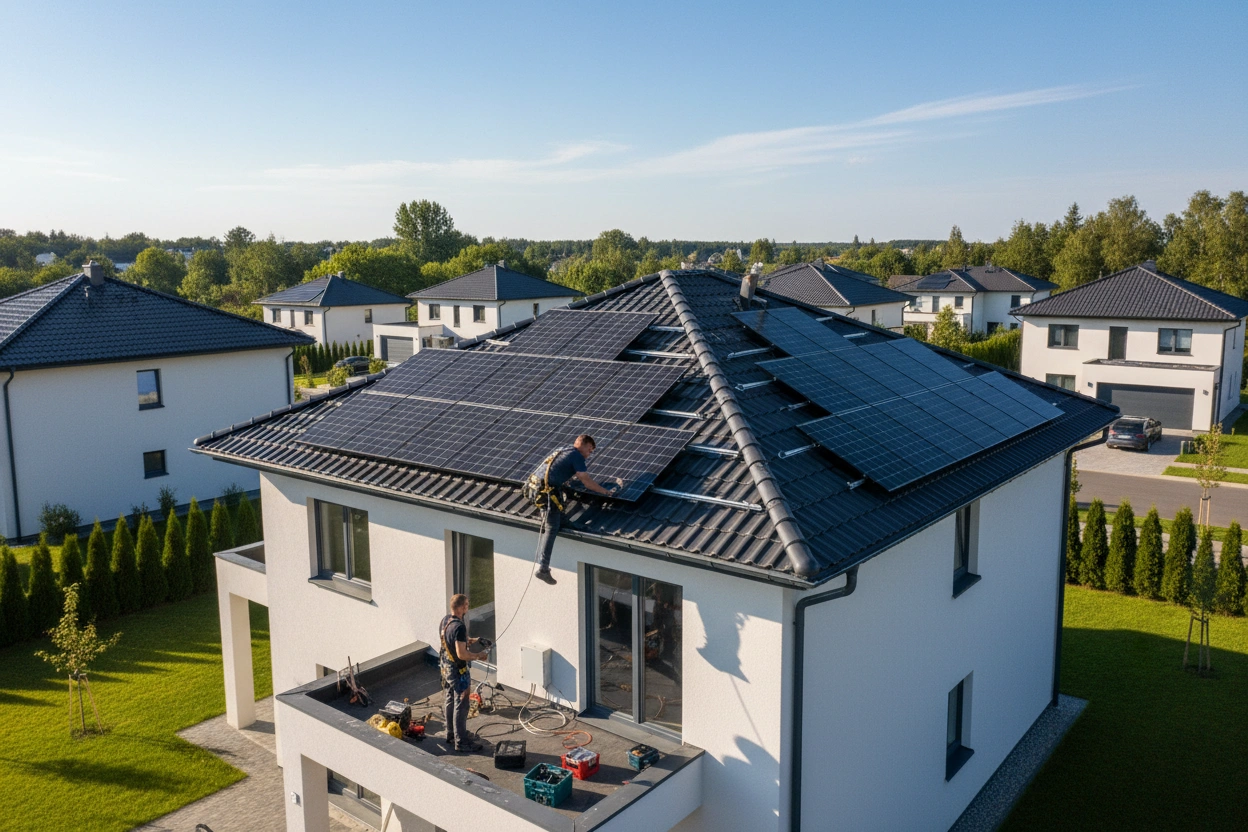
The solar panel installation process consists of several critical steps that ensure the system is effective and compliant with local regulations.
Step 1: Initial Assessment
Before any installation can begin, it is essential to conduct a thorough assessment of your property. This involves evaluating factors such as:
- Roof condition: Assessing the age and structural integrity of your roof is vital. A roof in poor condition may need repairs or replacement before solar panels can be installed.
- Sun exposure: Analyzing the amount of sunlight your property receives throughout the day will help determine the optimal placement for solar panels. Areas shaded by trees or buildings may require trimming or removal to maximize efficiency.
- Energy needs: Reviewing your current energy consumption will assist in selecting the right size and type of solar system. This step involves analyzing past utility bills and understanding peak energy usage times.
Step 2: Researching Solar Options
Once the initial assessment is complete, it's time to research the different solar options available. Homeowners can choose between various solar technologies, including:
- Monocrystalline panels: Known for their high efficiency and longevity, these panels are made from a single crystal structure, making them more expensive but often worth the investment.
- Polycrystalline panels: These panels are made from multiple crystal structures, making them less efficient but more affordable.
- Thin-film panels: Lightweight and flexible, these panels are less efficient than crystalline options but can be useful in specific applications.
Understanding these options will help you make an informed decision based on your budget and energy requirements.
Step 3: Permitting and Regulations
Before installation can begin, you must secure the necessary permits and ensure compliance with local regulations. This can involve:
- Building permits: Many jurisdictions require permits for solar installations. Check with your local government for specific requirements.
- Homeowners' association (HOA) approval: If you live in a community with an HOA, ensure that your installation complies with their guidelines.
- Utility interconnection agreements: If you plan to connect your solar system to the grid, you may need to establish agreements with your local utility company.
Navigating these requirements can be time-consuming, but it is a critical step in the installation process.
Step 4: Installation
The installation phase is where the actual work takes place. Depending on whether you choose to go the DIY route or hire professionals, the installation process may vary significantly.
DIY Installation
For those opting for a DIY solar installation, here are some essential steps to consider:
- Gather necessary tools: Ensure you have all the required tools, such as wrenches, drills, and safety gear.
- Follow manufacturer guidelines: Adhering to the installation manual provided by the solar panel manufacturer is crucial for ensuring proper setup.
- Safety precautions: Solar panel installation involves working at heights and handling electrical components. Always prioritize safety and consider hiring a professional if you are unsure.
Professional Installation
Hiring professionals can alleviate the burden of installation. Here are the advantages:
- Expertise: Professionals have the knowledge and experience to install solar panels efficiently and safely.
- Warranty and support: Many professional installers offer warranties on their work and ongoing support for maintenance and troubleshooting.
- Time-saving: Professionals can complete the installation much faster than a DIY approach, allowing you to enjoy the benefits of solar energy sooner.
Costs Involved in Solar Panel Installation
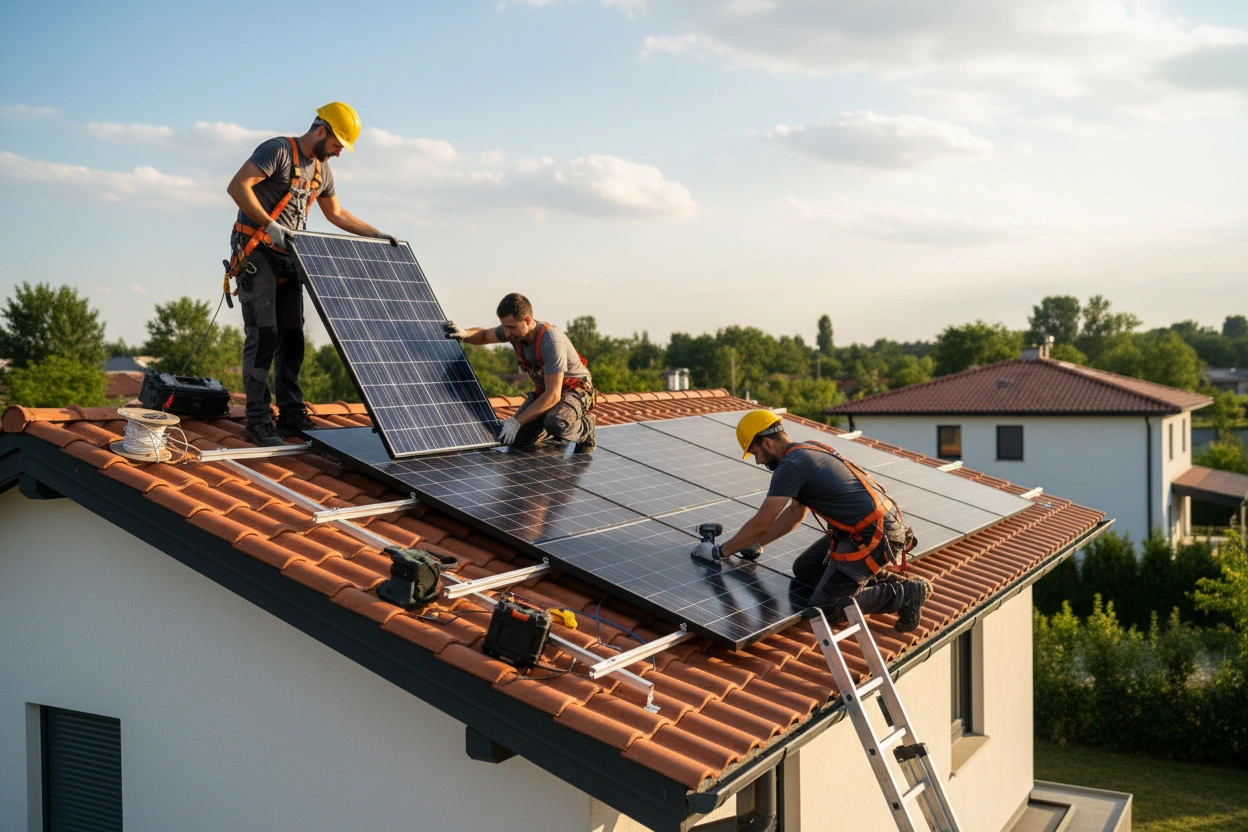
Understanding the financial aspect of solar panel installation is essential for making an informed decision. Costs can vary significantly based on several factors:
- Type of solar panels: As previously mentioned, the choice between monocrystalline, polycrystalline, and thin-film panels will impact the overall cost.
- Installation method: DIY installations may save labor costs, but hiring professionals can provide peace of mind and warranty coverage.
- Incentives and rebates: Be sure to research available federal, state, and local incentives that can help offset installation costs. Tax credits, rebates, and grants can significantly reduce the financial burden.
It is also helpful to obtain multiple quotes from different installers to ensure competitive pricing.
Common Misconceptions About Solar Installation
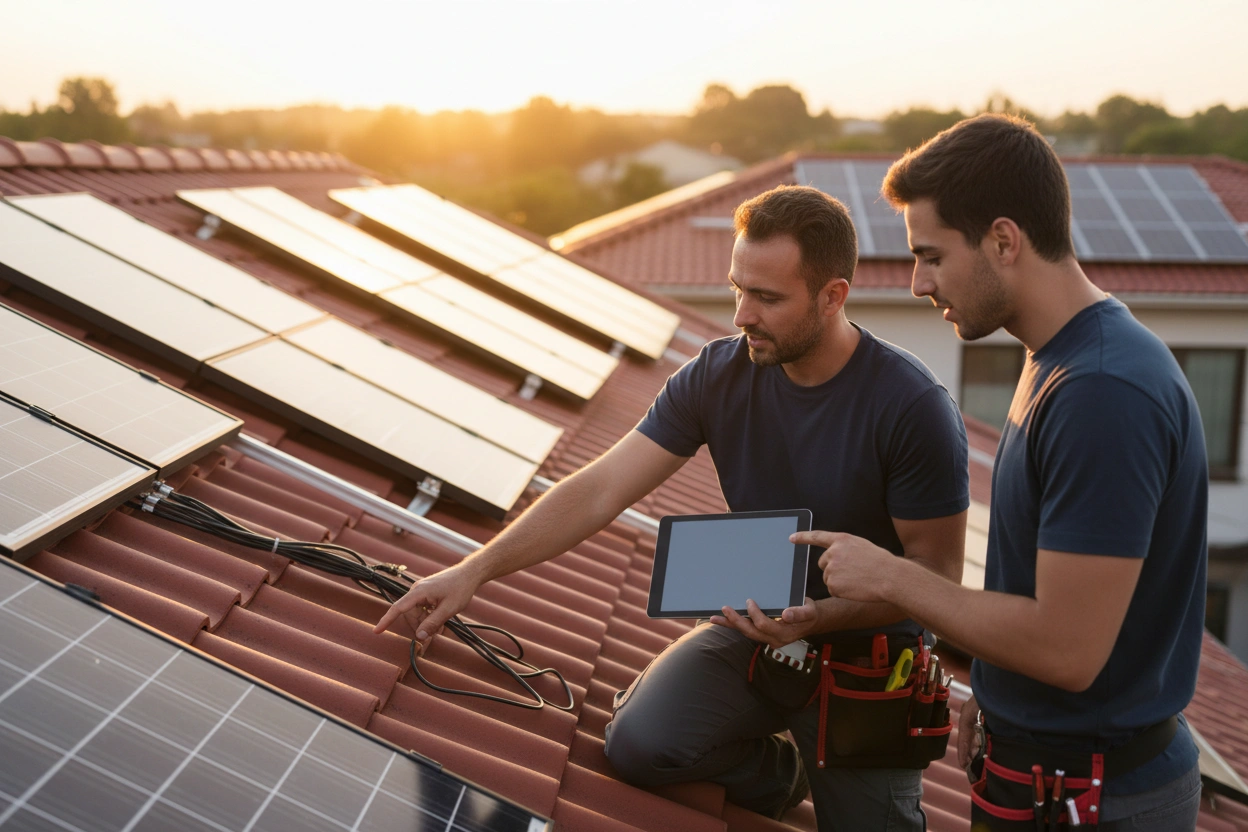
There are several misconceptions surrounding solar panel installation that can lead to confusion. Addressing these myths is essential for a clearer understanding of the process.
Myth 1: Solar Panels Are Too Expensive
While the initial investment for solar panels can be significant, many financial incentives and financing options exist that make solar more affordable. With the right research and planning, homeowners can find solutions that fit their budgets.
Myth 2: Solar Energy Is Ineffective in Cloudy Areas
Many people believe that solar panels only work in sunny climates. However, solar panels can generate electricity even on cloudy days. They are designed to capture indirect sunlight, and their efficiency may still be substantial in less sunny regions.
Myth 3: Solar Installation Is Too Complicated for the Average Homeowner
While the solar panel installation process involves several steps, many resources are available to assist homeowners. Comprehensive guides, online forums, and local workshops can provide valuable information for those considering a DIY installation.
Benefits of Solar Energy
Understanding the benefits of solar energy can help you appreciate the value of investing in solar panel installation. Here are some key advantages:
- Reduced energy bills: Solar panels can significantly lower your monthly utility costs, providing long-term savings.
- Environmental impact: By utilizing renewable energy, homeowners can reduce their carbon footprint and contribute to a cleaner environment.
- Increased home value: Homes with solar installations often see an increase in property value, making them more attractive to potential buyers.
Making the Right Choice: DIY vs. Professional Installation
Deciding between a DIY installation and hiring a professional is a critical choice in the solar panel installation process. Each option comes with its pros and cons.
DIY Installation Pros and Cons
Pros:
- Cost savings on labor
- Full control over the installation process
- A sense of accomplishment
Cons:
- Time-consuming and potentially complicated
- Requires a certain level of technical skill
- No professional warranty or support
Professional Installation Pros and Cons
Pros:
- Faster installation with expert knowledge
- Warranty and ongoing support
- Safety and compliance with local regulations
Cons:
- Higher initial cost due to labor fees
- Less control over the installation process
When making your decision, consider your comfort level with DIY projects, your budget, and the time you can dedicate to the installation process.
The Intersection of Solar Energy and Smart Technology
As technology continues to advance, integrating smart technology with solar energy systems has become increasingly popular. Smart inverters, energy management systems, and battery storage solutions can enhance the efficiency and effectiveness of your solar installation. These technologies allow homeowners to monitor energy production in real time, optimize energy usage, and even store excess energy for later use.
Integrating smart technology not only maximizes the benefits of solar energy but also provides homeowners with greater control over their energy consumption and costs.
Conclusion: A Comprehensive Path to Solar Energy
Navigating the solar panel installation process can seem daunting at first, but with the right information and resources, homeowners can make informed decisions. This solar installation guide has provided valuable insights into the steps involved in the installation process, the financial implications, and the benefits of solar energy.
SolarQuest AI is here to support you every step of the way. Whether you're considering a DIY installation or hiring professionals, our resources can help you make the best choice for your energy needs. For more information on how to get started with solar energy, contact SolarQuest AI today.