Which Solar Financing Solutions Offer the Best Cost vs. Savings?
As the demand for renewable energy sources continues to rise, many homeowners are considering solar energy as a viable option. However, financing solar installations can be a complex process, often leading to confusion about which solar financing solutions offer the best cost versus savings. Understanding the various financing options available, as well as the associated challenges, is essential for making informed decisions. This article will provide a comprehensive overview of solar financing solutions, including solar loan options and the impact of solar tax credits, while addressing common financing challenges.
Understanding Solar Financing Solutions

Solar financing solutions encompass a variety of options that allow homeowners to pay for their solar energy systems. These solutions can range from cash purchases to loans, leases, and power purchase agreements (PPAs). Each option comes with its own set of advantages and disadvantages, making it vital to evaluate them based on individual financial situations and energy needs.
Cash Purchase
One of the most straightforward solar financing solutions is a cash purchase. Homeowners pay the full cost of the solar system upfront, which allows them to avoid interest payments and financing fees. This option is often considered the most cost-effective in the long run, as homeowners can take full advantage of available tax credits and incentives.
Benefits of Cash Purchase
- No monthly payments, leading to immediate savings on energy bills.
- Full ownership of the system, allowing for complete control over maintenance and upgrades.
- Eligibility for federal and state tax credits, which can significantly reduce the overall cost.
Solar Loans
Solar loans are another popular financing solution that allows homeowners to borrow money to pay for their solar energy systems. These loans can be secured through banks, credit unions, or specialized lenders. The repayment terms vary, but they often come with lower interest rates compared to other forms of credit.
Types of Solar Loans
- Secured Loans: These loans are backed by collateral, such as the homeowner's property, which can lead to lower interest rates.
- Unsecured Loans: These loans do not require collateral but typically have higher interest rates.
- Home Equity Loans: Homeowners can borrow against the equity in their home, often at favorable rates.
Solar Leases and Power Purchase Agreements (PPAs)
For homeowners who prefer not to purchase a solar system outright, solar leases and PPAs are viable alternatives. With a solar lease, homeowners pay a fixed monthly fee to use the solar system installed on their property. In contrast, a PPA allows homeowners to pay for the electricity generated by the solar system at a predetermined rate.
Pros and Cons of Leases and PPAs
- Pros:
- No upfront costs, making solar accessible to more homeowners.
- Maintenance and monitoring are typically covered by the leasing company.
- Cons:
- Homeowners do not own the system and may miss out on tax credits.
- Monthly payments may be higher than energy savings, depending on the contract.
Solar Tax Credits and Incentives

Understanding solar tax credits is crucial for maximizing savings when investing in solar energy. The federal solar tax credit, also known as the Investment Tax Credit (ITC), allows homeowners to deduct a percentage of the cost of their solar system from their federal taxes. This credit is set to decrease over the coming years, making it important to act quickly to take full advantage.
Federal Solar Tax Credit
As of 2026, the federal solar tax credit stands at 26% for residential solar installations. This means that if a homeowner installs a solar system costing $20,000, they can deduct $5,200 from their federal tax liability. This incentive can significantly reduce the upfront cost and improve the return on investment.
State and Local Incentives
In addition to the federal tax credit, many states and local governments offer their own incentives for solar installations. These can include rebates, property tax exemptions, and sales tax exemptions. Homeowners should research the specific incentives available in their area to maximize their savings, including federal and state incentives.
Financing Challenges
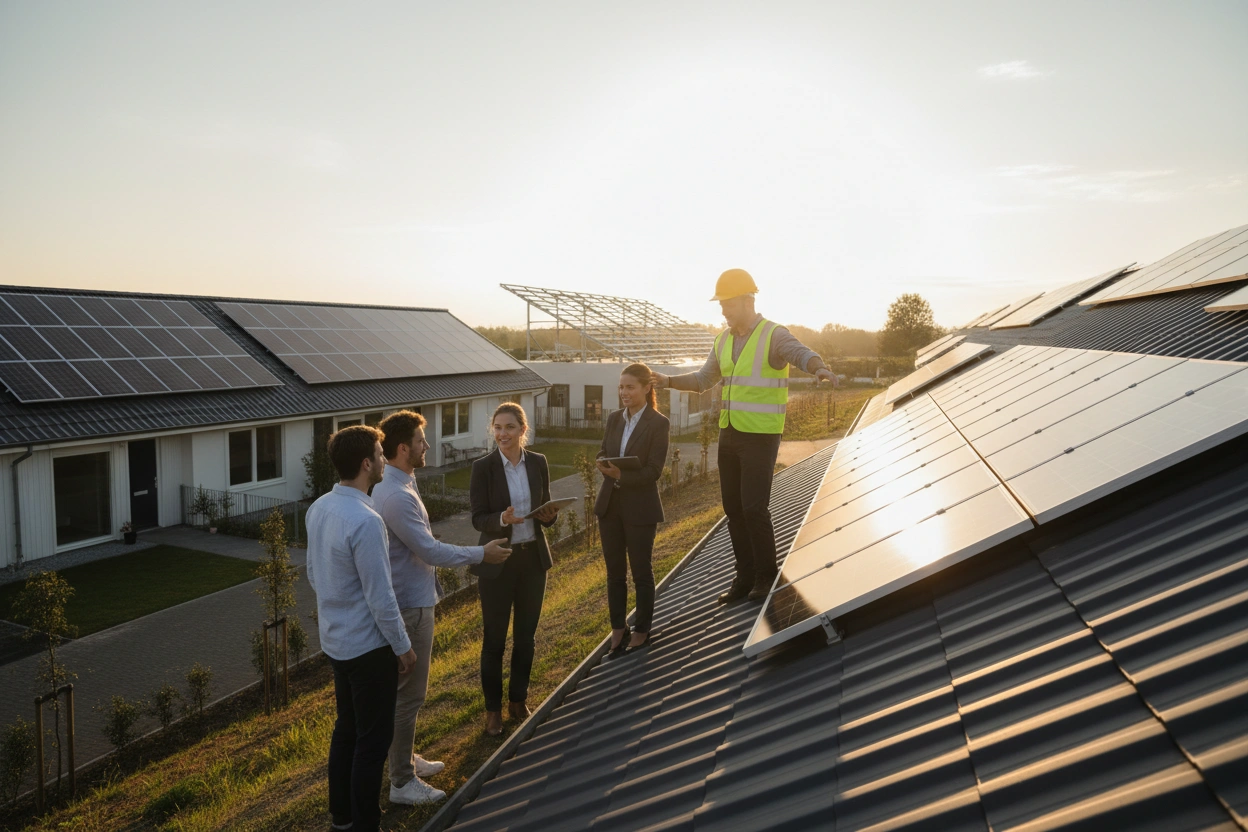
While there are numerous financing options available, homeowners often encounter challenges when selecting the best solar financing solutions. Understanding these challenges can help individuals navigate the process more effectively.
High Upfront Costs
One of the primary barriers to solar adoption is the high upfront cost associated with purchasing a solar system. Even with financing options available, many homeowners may still struggle to gather the necessary funds. This challenge can be mitigated by exploring various financing solutions, such as solar loans or leasing options.
Complexity of Financing Options
The variety of solar financing solutions can be overwhelming. Each option has its own terms, conditions, and potential savings, making it essential for homeowners to thoroughly research and compare them. Taking the time to understand the nuances of each option can lead to better financial outcomes.
Misconceptions about Savings
Many homeowners believe that solar financing solutions will not yield significant savings compared to traditional energy sources. However, with the right financing options and a clear understanding of potential tax credits and incentives, solar energy can provide substantial long-term savings. Educating oneself about the real costs and benefits of solar energy is key to overcoming this misconception.
Actionable Insights for Choosing Solar Financing Solutions
When deciding on the best solar financing solutions, consider the following actionable steps:
Assess Financial Situation: Evaluate your current financial standing to determine how much you can afford to invest in solar energy. This assessment will help you narrow down the financing options that best fit your budget.
Research Available Options: Take the time to research various solar financing solutions, including cash purchases, loans, leases, and PPAs. Understanding the pros and cons of each option will enable you to make an informed decision.
Consult with Professionals: Engage with solar energy experts or financial advisors who can provide insights tailored to your specific situation. They can help clarify any uncertainties and guide you towards the most suitable financing solution.
Explore Incentives: Investigate federal and state incentives that can reduce the cost of your solar installation. Understanding these incentives can significantly impact your overall savings.
Compare Offers: If considering solar loans or leases, obtain quotes from multiple lenders and providers. Comparing offers can help you find the best terms and interest rates.
The Value of SolarQuest AI in Navigating Solar Financing
Understanding solar financing solutions is essential for homeowners looking to make the switch to solar energy. With various options available, including solar loans, leases, and tax credits, making informed decisions can lead to significant cost savings. However, the complexities of financing can pose challenges.
By leveraging the resources and expertise of SolarQuest AI, homeowners can navigate the intricacies of solar financing more effectively. SolarQuest AI provides tailored insights and guidance on the best financing solutions for individual circumstances, helping to maximize savings while minimizing confusion.
For those ready to take the next step in their solar journey, consider reaching out for assistance. Visit SolarQuest AI to learn more about how our services can help you make the most of your solar investment.