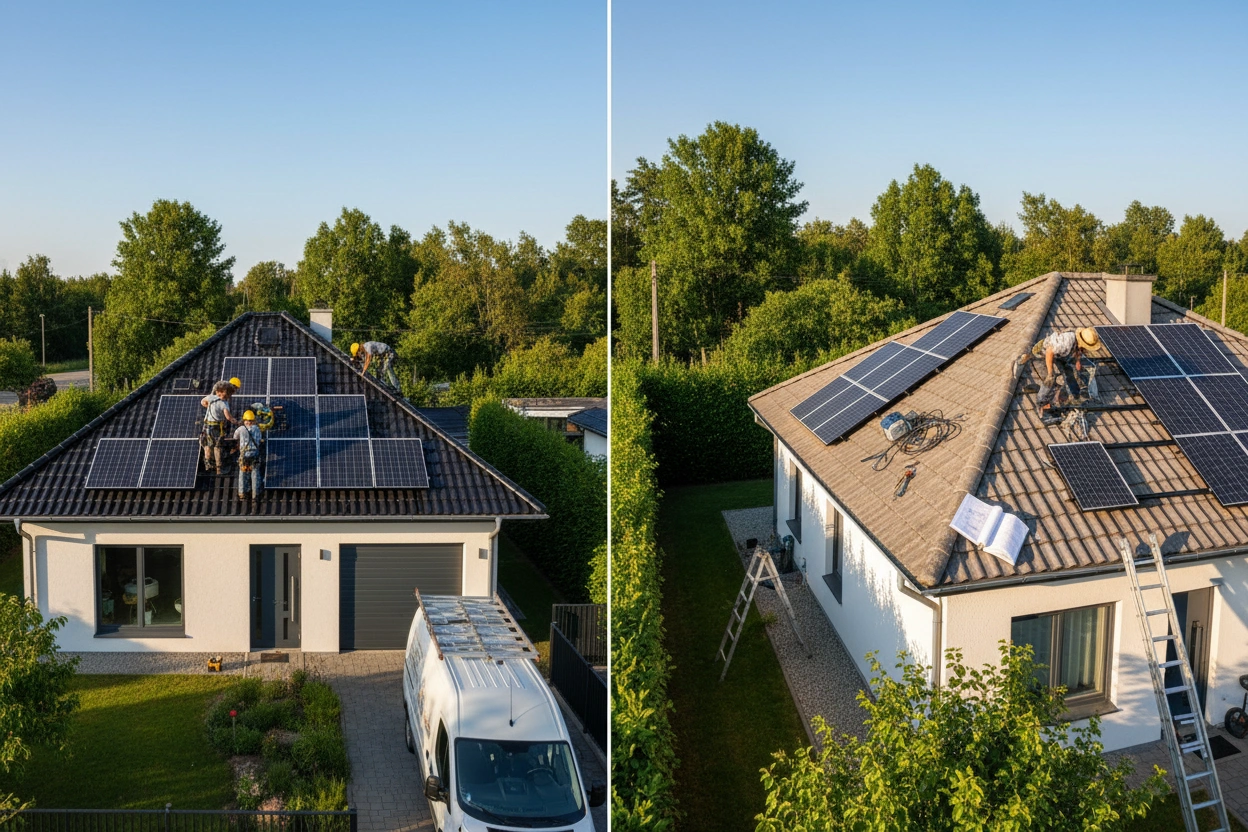
Best Solar Installers vs. DIY: Choosing Your Solar Installation Guide
As the demand for renewable energy grows, solar power has emerged as a leading choice for homeowners and businesses alike. The decision to install solar panels often leads to a crucial question: should you hire a professional installer or tackle the project yourself? This article serves as a comprehensive solar installation guide, discussing the benefits of both approaches, key considerations in selecting solar equipment, and actionable insights to help you make an informed choice.
Understanding the Solar Installation Process
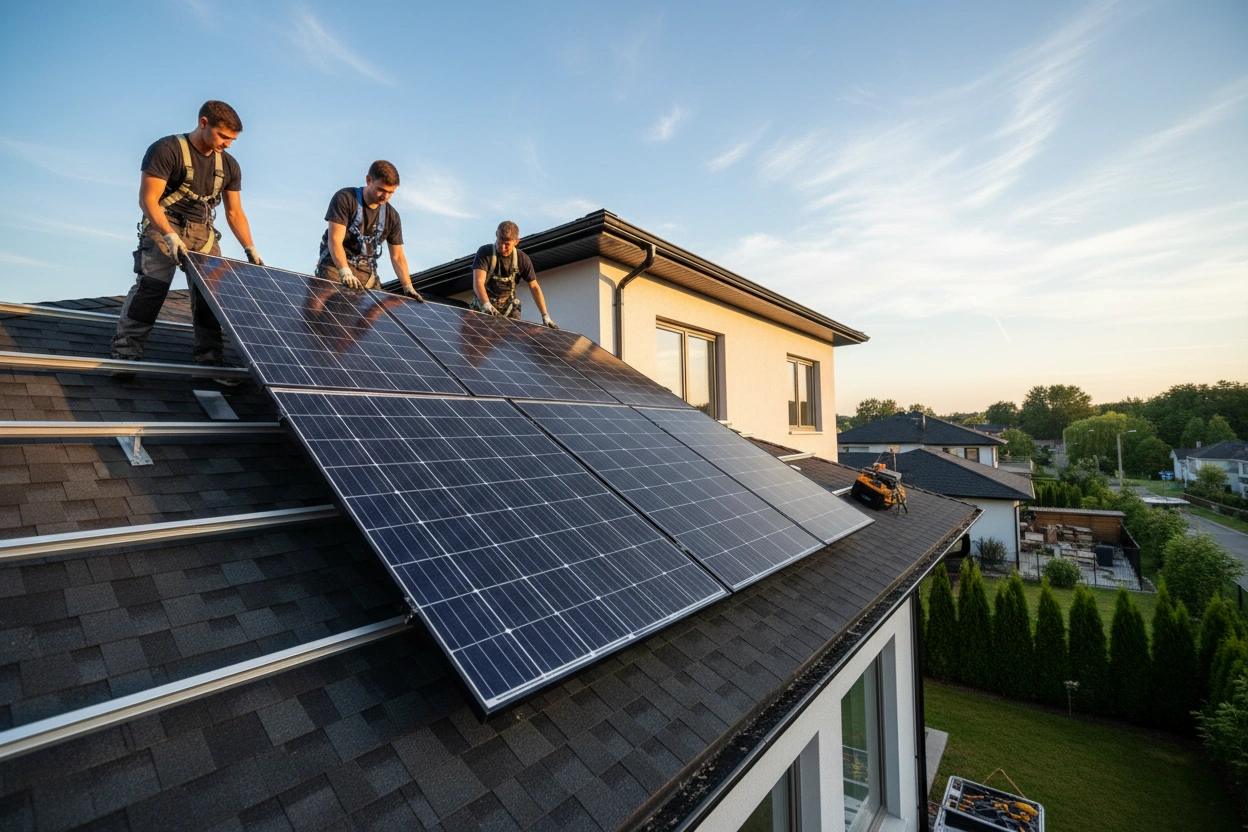
Before choosing between professional installation and a DIY approach, it is essential to understand the solar installation process. This process typically involves several stages, including planning, equipment selection, installation, and maintenance.
The Stages of Solar Installation
Planning and Assessment
The first step is assessing your energy needs and determining the appropriate system size. This involves evaluating your current energy consumption, the solar potential of your location, and local regulations or incentives.Equipment Selection
Choosing the right solar equipment is crucial for optimizing system performance. This includes selecting solar panels, inverters, and mounting systems that fit your specific needs.Installation
Whether you choose to hire professionals or do it yourself, the installation phase involves mounting the solar panels, connecting the system to your home’s electrical grid, and ensuring compliance with local codes and safety regulations.Maintenance and Monitoring
After installation, regular maintenance and monitoring are essential to ensure the system operates efficiently. This includes cleaning the panels and checking for any performance issues.
Best Solar Installers: Why Professional Installation is Beneficial
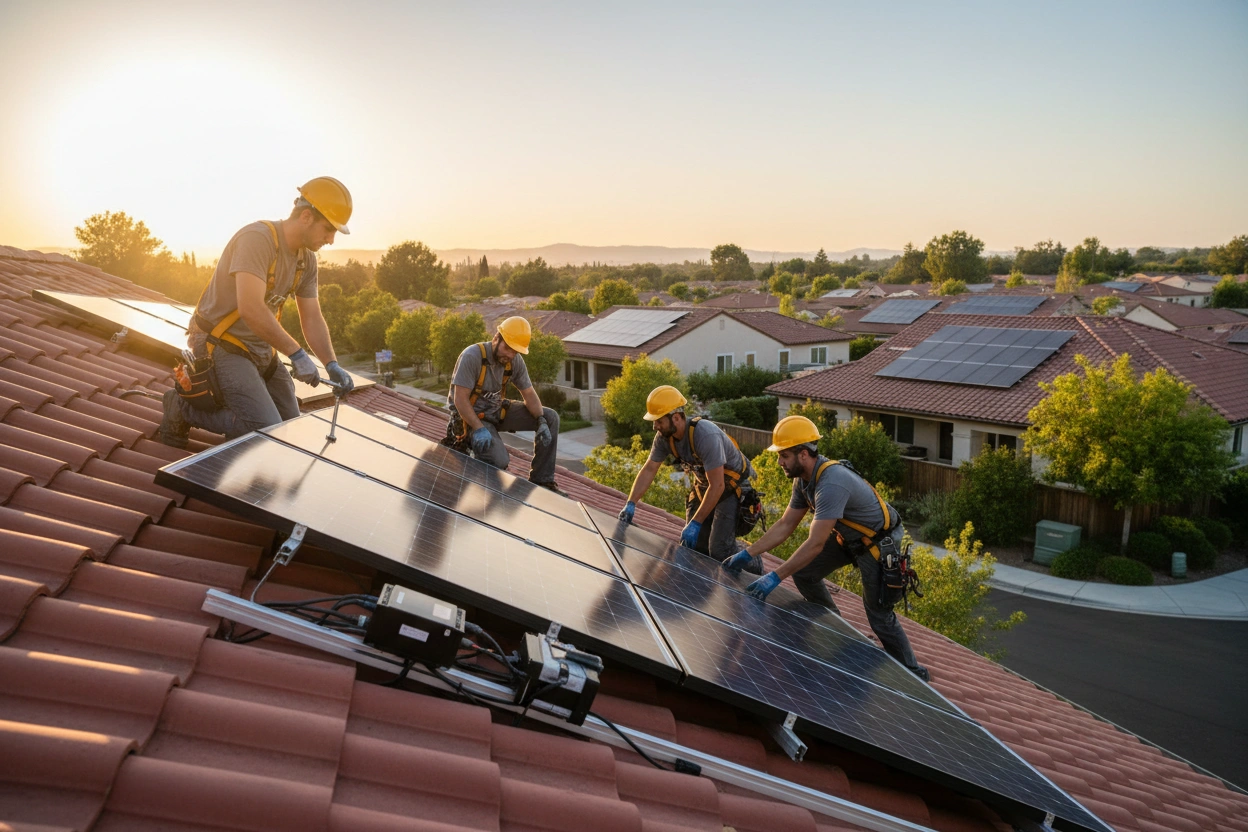
While a DIY solar installation can be appealing for some, hiring professional solar installers offers several advantages that may outweigh the cost considerations.
Expertise and Experience
Professional installers bring a wealth of knowledge and experience to the table. They understand the intricacies of solar technology, local regulations, and permitting processes. This expertise can significantly reduce the chances of errors that might arise during installation, ensuring a seamless process from start to finish.
Warranty and Support
Most reputable solar installation companies provide warranties on both the equipment and the installation work. This means that if any issues arise after the installation, you have a safety net that covers repairs or replacements. Furthermore, many companies offer ongoing support and monitoring services, allowing you to maximize the efficiency and longevity of your solar system.
Time and Convenience
Installing solar panels can be a time-consuming task, especially if you lack experience. Professional installers can complete the job much faster, allowing you to start enjoying the benefits of solar energy sooner. The convenience of having experts handle the installation also means you can focus on other important aspects of your life or business.
DIY Solar Installation: Pros and Cons
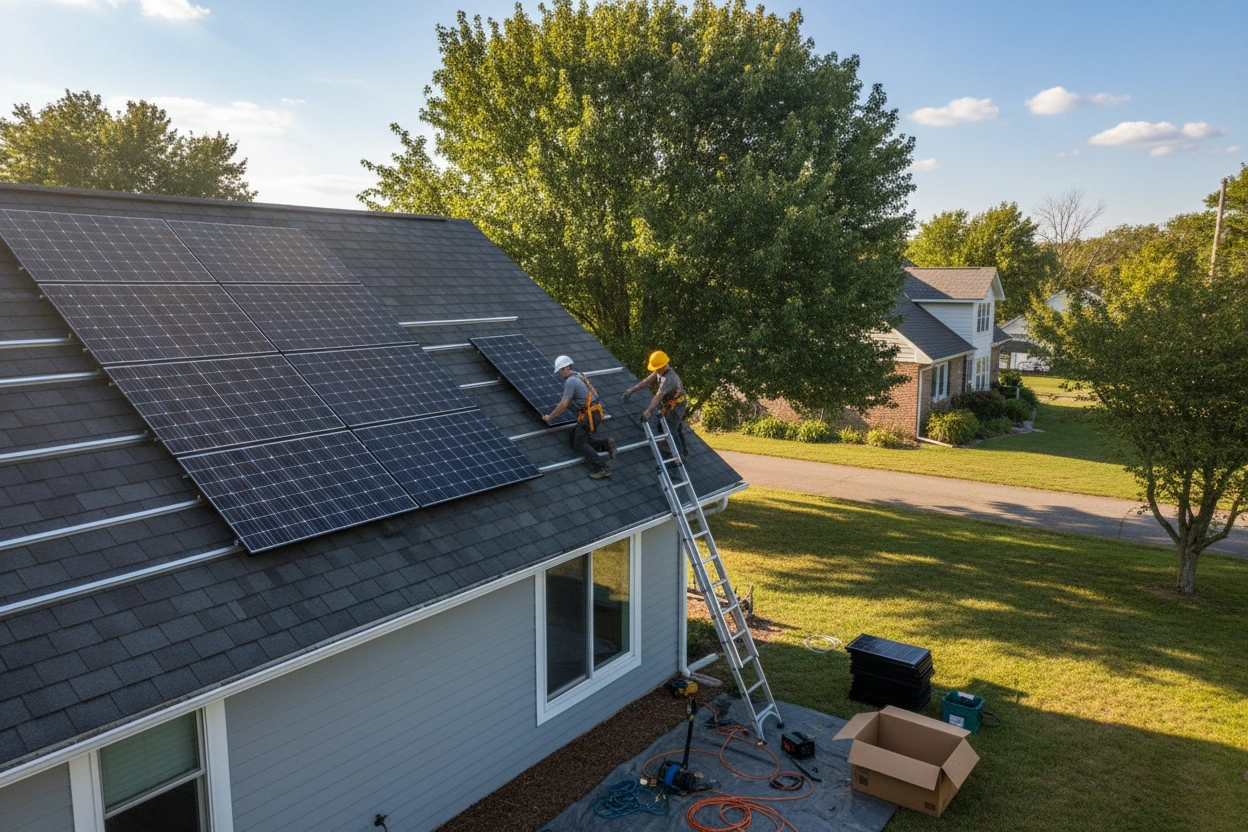
Opting for a DIY solar installation can be a cost-effective solution for those with the right skills and resources. However, it's essential to weigh the benefits against the potential drawbacks.
Advantages of DIY Installation
- Cost Savings: By handling the installation yourself, you can save on labor costs, making solar energy more affordable.
- Customization: DIY installations allow you to tailor the system to your specific needs and preferences, from panel selection to layout.
- Personal Satisfaction: Successfully completing a solar installation can provide a sense of accomplishment and pride in contributing to renewable energy efforts.
Disadvantages of DIY Installation
- Lack of Expertise: Without professional training, you may encounter challenges that could lead to mistakes, potentially compromising the system's efficiency and safety.
- Time Investment: The installation process can take significantly longer without the experience of professionals, delaying the time it takes to start generating solar energy.
- Limited Warranty and Support: DIY installations typically lack the warranties and ongoing support that professional installations provide, leaving you responsible for any repairs or issues that arise.
Selecting Solar Equipment: Key Considerations
Whether you choose to hire a professional or go the DIY route, selecting the right solar equipment is critical to the success of your installation. Here are the key factors to consider:
Solar Panels
When selecting solar panels, consider the following aspects:
- Efficiency: Higher efficiency panels convert more sunlight into electricity, which can be beneficial if space is limited.
- Durability: Look for panels that are built to withstand environmental conditions, such as hail, high winds, and extreme temperatures.
- Warranty: A longer warranty period typically indicates higher quality and reliability.
Inverters
The inverter is a crucial component that converts the direct current (DC) generated by solar panels into alternating current (AC) used in homes. Consider these factors:
- Type of Inverter: Choose between string inverters, microinverters, or power optimizers based on your system design and energy needs.
- Efficiency Rating: Inverters with higher efficiency ratings will provide better performance and energy output.
- Monitoring Features: Some inverters offer monitoring capabilities, allowing you to track system performance and identify potential issues.
Mounting Systems
The mounting system is essential for securing solar panels to your roof or the ground. Key considerations include:
- Compatibility: Ensure the mounting system is compatible with your roof type and solar panel design.
- Material: Look for durable materials that can withstand weather conditions and provide long-lasting support.
- Installation Method: Some mounting systems are easier to install than others, which can be an essential factor for DIY projects.
Common Mistakes to Avoid in Solar Installation
Both DIY enthusiasts and professional installers can fall prey to common pitfalls during the solar installation process. Avoiding these mistakes can lead to a more successful project.
Underestimating Costs
Many individuals underestimate the total costs associated with solar installation. This includes not only the purchase price of equipment but also installation fees, permits, and potential maintenance costs. Make sure to budget comprehensively to avoid surprises.
Ignoring Local Regulations
Local regulations and building codes can significantly impact your solar installation. Failing to comply with these requirements can lead to fines or the inability to connect your system to the grid. Always research local laws and obtain necessary permits before beginning installation.
Skipping System Monitoring
After installation, neglecting to monitor system performance can lead to missed opportunities for maintenance and efficiency improvements. Utilize monitoring tools to keep track of energy production and identify any issues that may arise.
The Role of SolarQuest AI in Your Solar Installation Journey
Navigating the complexities of solar installation can be daunting, whether you opt for professional services or a DIY approach. SolarQuest AI is here to support you throughout this process. By providing tailored guidance and expert insights, SolarQuest AI can help you make informed decisions about your solar installation.
How SolarQuest AI Can Assist
- Personalized Recommendations: Based on your energy needs and location, SolarQuest AI can offer recommendations on the best solar equipment and installation methods.
- Ongoing Support: Access to continuous support ensures that any questions or concerns during and after installation are addressed promptly.
- Monitoring Tools: Utilize advanced monitoring tools to optimize your solar system's performance and ensure you maximize your energy savings.
Making the Right Choice for Your Solar Installation
Choosing between hiring professional solar installers or opting for a DIY installation is a significant decision that can impact your energy efficiency and financial savings. By understanding the solar installation process, weighing the pros and cons of each approach, and selecting the right equipment, you can make an informed choice that aligns with your goals.
Consider leveraging SolarQuest AI's resources and expertise to guide you through this journey. If you’re ready to take the next step in your solar installation process, contact SolarQuest AI for tailored support and insights.