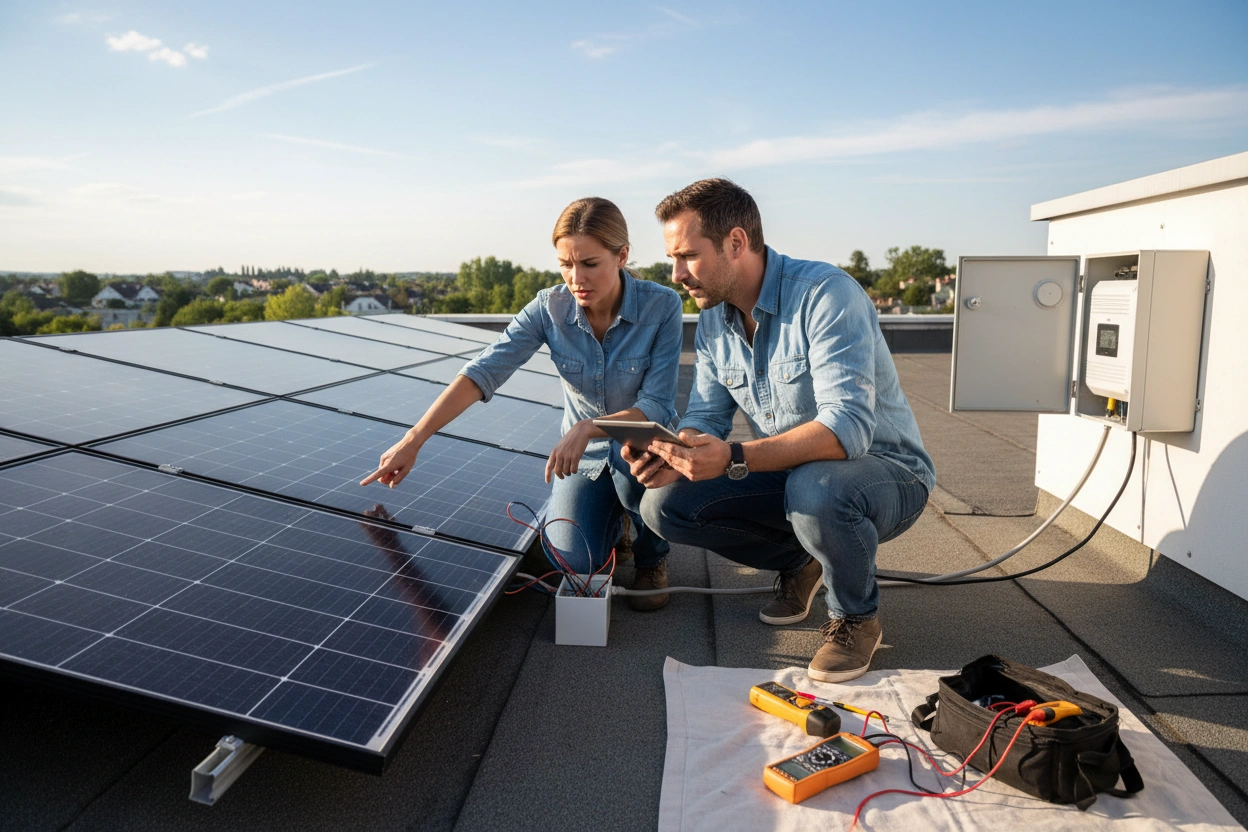
Troubleshooting Common Issues with Your Solar Installation Guide
The transition to solar energy is a significant step for many homeowners and businesses. While the benefits of solar installations are well-documented, navigating the complexities of the installation process can be challenging. This article serves as a comprehensive solar installation guide, focusing on common issues encountered during installation and providing actionable solutions. Additionally, we will discuss finding qualified installers to ensure your project is handled by professionals.
Understanding Common Solar Installation Issues
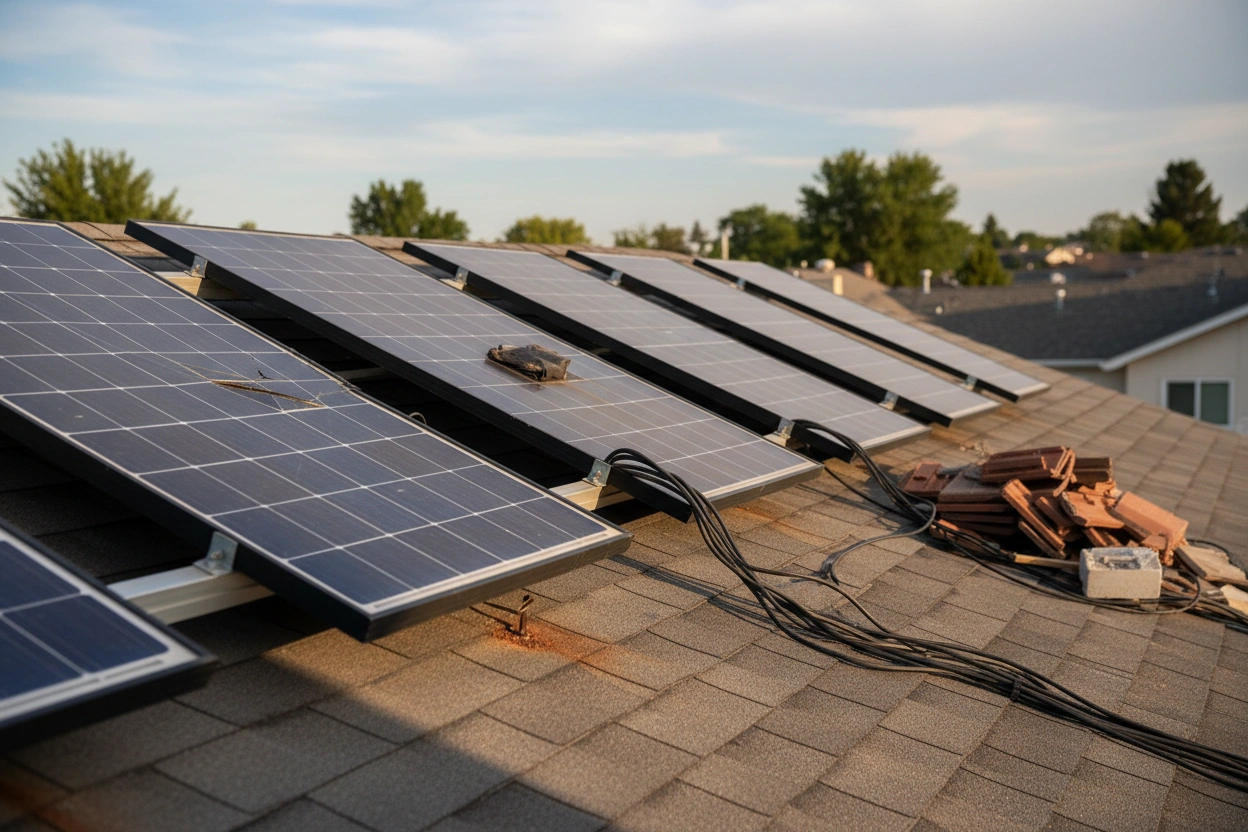
Solar installations can face various issues ranging from technical problems to logistical challenges. Understanding these problems is the first step towards effective troubleshooting.
Common Technical Issues
Technical issues often arise during solar panel installations. These can include:
Inverter Problems: The inverter converts the solar energy generated into usable electricity. If it malfunctions, the entire system's efficiency can plummet. Regular monitoring is essential to ensure the inverter is functioning correctly.
Wiring Issues: Poor wiring can lead to energy loss or even system failure. It is crucial to ensure that all connections are secure and meet local electrical codes.
Panel Orientation: Incorrectly oriented panels can lead to reduced energy production. Panels should ideally face south and be tilted at an angle that maximizes sunlight exposure.
Logistical Challenges
Logistical problems can also hinder a successful solar installation. These include:
Permitting Delays: Navigating local regulations can be time-consuming. Ensure that all necessary permits are obtained before beginning the installation.
Weather Conditions: Adverse weather can delay installation schedules. Planning for seasonal variations and ensuring that your installer has contingency plans can mitigate this risk.
Supply Chain Issues: The solar industry has seen fluctuations in supply chains, leading to delays in obtaining necessary components. It is wise to discuss timelines with your installer and understand the potential for delays.
Finding Qualified Installers
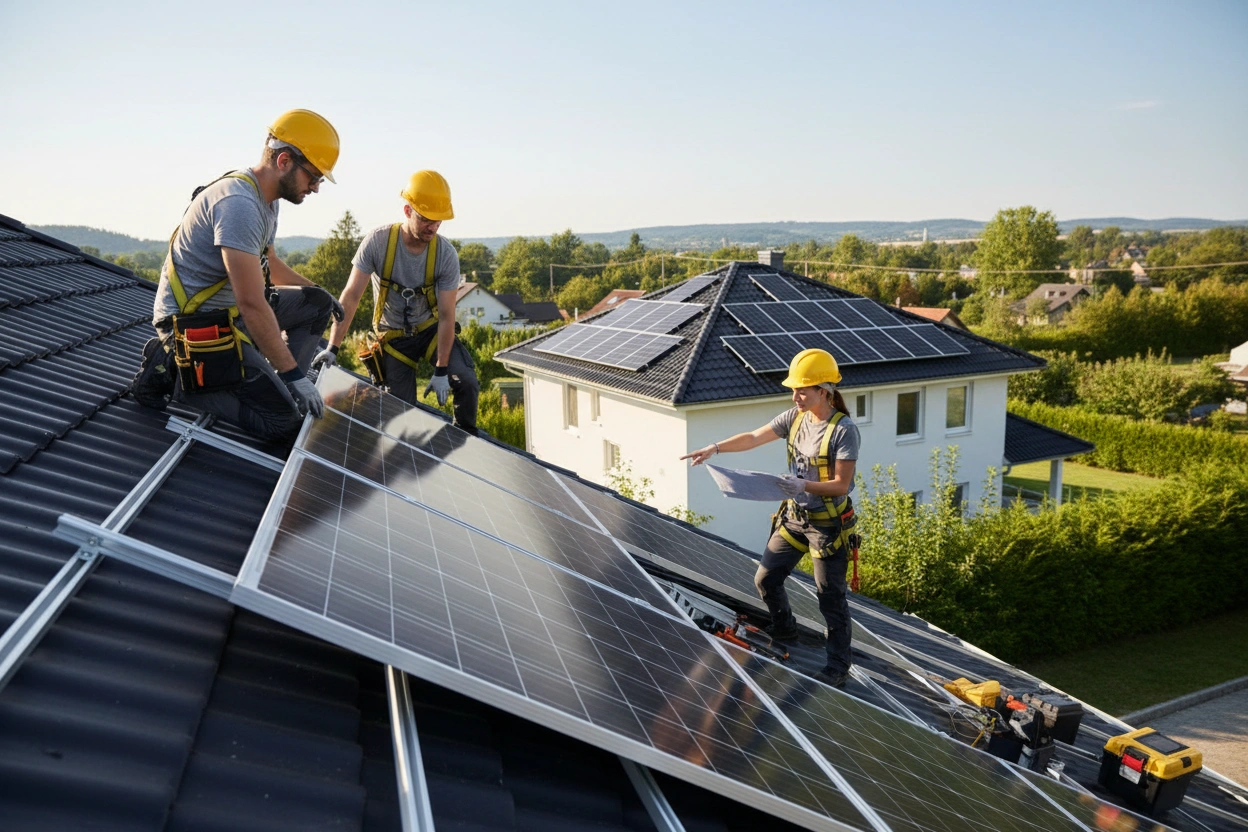
Choosing the right installer is a critical aspect of ensuring a successful solar installation. A skilled installer can prevent many of the issues discussed earlier.
Steps to Identify the Best Solar Installers
When searching for qualified solar installers, consider the following steps:
Research Local Options: Start by compiling a list of local solar installers. Online reviews and ratings can provide insights into their reputation.
Check Credentials: Ensure that the installers are certified and have the necessary licenses. Certifications from organizations such as the North American Board of Certified Energy Practitioners (NABCEP) are indicators of a qualified installer.
Request Multiple Quotes: Obtain quotes from several installers to compare pricing and services. Ensure that the quotes detail the scope of work and materials included.
Ask for References: Request references from past clients. Speaking with previous customers can provide valuable insights into the installer's reliability and quality of work.
Evaluating Installer Experience
Beyond credentials, the experience of the installer is paramount. Consider these aspects:
Years in Business: An installer with a long track record is likely to have encountered and resolved a variety of installation challenges.
Specialization: Some installers may specialize in residential, commercial, or specific types of solar systems. Choose one whose expertise aligns with your project needs.
Warranty and Support: Inquire about warranties on both the installation and the equipment. A reputable installer will stand behind their work and provide support after installation.
Addressing Common Misconceptions
Several misconceptions can lead to confusion during the solar installation process. Addressing these can help set realistic expectations.
Misconception: Solar Panels Only Work in Sunny Areas
Many people believe that solar panels are ineffective in cloudy or rainy conditions. In reality, solar panels can still generate electricity even in low-light conditions. Efficiency may decrease, but many systems are designed to work optimally under various weather conditions.
Misconception: Solar Installation Is Too Expensive
While the upfront costs of solar installations can be significant, various financing options, incentives, and rebates can make it more affordable. Additionally, the long-term savings on energy bills often outweigh the initial investment.
Misconception: DIY Solar Installation Is a Viable Option
While DIY solar kits are available, professional installation is highly recommended. Professionals are equipped to handle the complexities of the installation process and ensure compliance with local codes and regulations.
Troubleshooting Techniques for Solar Installations
When issues arise during or after installation, knowing how to troubleshoot can save time and money.
Initial Assessment Steps
Begin by conducting a thorough assessment of the installation. Follow these steps:
Visual Inspection: Check for any visible damage to panels, wiring, or the inverter. Look for loose connections or signs of wear.
Monitor Performance: Use monitoring software or apps provided by your installer to track energy production. Any significant deviations from expected output should be investigated.
Review Installation Documentation: Consult the installation manual and documentation. This can provide insights into expected performance and troubleshooting tips specific to your system.
Common Troubleshooting Scenarios
Here are some common scenarios and their troubleshooting steps:
Low Energy Production: If your system is underperforming, check for shading from trees or buildings. Even partial shading can significantly impact performance. If shading is unavoidable, consider using microinverters or power optimizers.
Inverter Not Functioning: If the inverter is not operational, reset it according to the manufacturer's instructions. If it still does not work, contact your installer for a diagnostic check.
Frequent System Shutdowns: If your system frequently shuts down, this may indicate an electrical issue. Check for tripped circuit breakers or blown fuses and consult your installer if the problem persists.
The Role of Maintenance in Solar Systems
Regular maintenance is essential to ensure the longevity and efficiency of your solar installation.
Maintenance Best Practices
To maintain your solar system effectively, consider the following practices:
Regular Cleaning: Dirt and debris can accumulate on solar panels, reducing their efficiency. Regular cleaning, especially after storms or dust storms, can help maintain performance.
Annual Inspections: Schedule annual inspections with your installer to check for any potential issues before they become significant problems.
Monitor Performance Continuously: Use monitoring tools to keep track of energy production. This allows you to detect any anomalies early.
The Intersection of Solar Installation and Quality Service
Understanding the intricacies of solar installation and the importance of quality service providers is essential for a successful transition to solar energy.
In summary, this solar installation guide offers a roadmap for troubleshooting common issues and highlights the significance of finding qualified installers. By being proactive in addressing potential problems and understanding the installation process, homeowners can ensure that their investment in solar energy yields the expected benefits.
If you are considering a solar installation or experiencing issues with your current system, SolarQuest AI can assist you in navigating the complexities of the installation process. Our expertise in the solar industry ensures that you receive the best guidance and support.
For more information on how to optimize your solar installation and ensure a smooth experience, contact SolarQuest AI today.