
Exploring Solar Financing Options to Lower Your Cost of Solar
The growing interest in renewable energy has led many homeowners and businesses to consider solar power as a viable alternative to traditional energy sources. However, the cost of solar installation remains a significant barrier for many. Understanding the various financing options available can help mitigate these costs and make solar energy more accessible. In this article, we will explore the cost of solar, the factors influencing solar installation costs, and the financing options that can help lower these expenses.
Understanding the Cost of Solar

The cost of solar energy systems varies widely based on several factors, including system size, technology type, and installation specifics. On average, the solar installation costs have decreased significantly over the past decade, making them more affordable than ever. According to recent data, the average cost of a residential solar system in the United States is approximately $15,000 to $25,000 before any incentives or financing options are applied.
Key Components of Solar Installation Costs
Solar Panels: The type and efficiency of the solar panels chosen can significantly impact the overall cost. Higher efficiency panels often come at a premium but may provide greater long-term savings.
Inverters: Solar inverters convert the direct current (DC) electricity generated by solar panels into alternating current (AC) electricity used in homes. The cost of inverters varies based on their type and efficiency.
Installation: Labor costs for installation can vary based on the complexity of the project and the region. Installation costs can account for a substantial portion of the total system cost.
Permits and Fees: Local regulations may require various permits and inspections, which can add to the overall cost of solar installation.
Maintenance and Repairs: While solar systems generally require minimal maintenance, it is essential to factor in potential repair costs over the system's lifespan.
Top Solar Installation Cost Factors to Consider
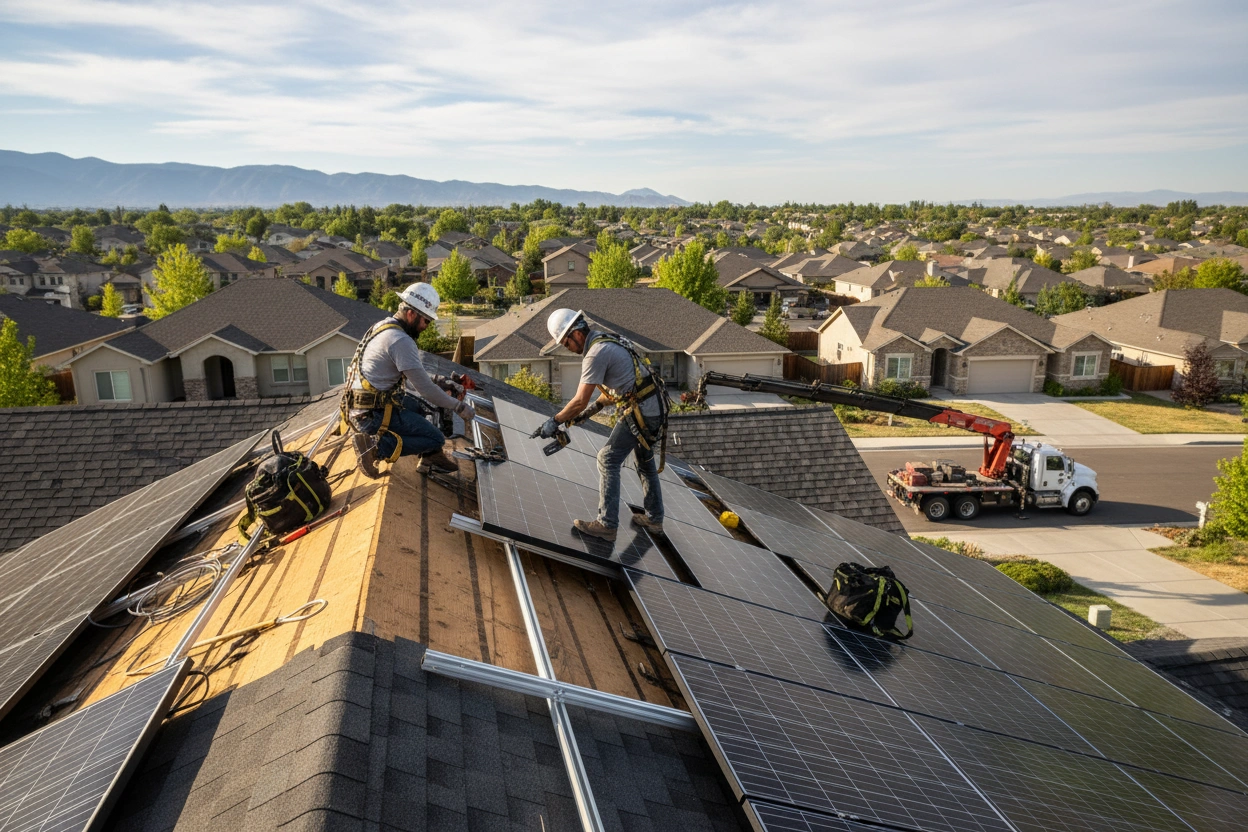
When evaluating the cost of solar, several factors should be considered to ensure a comprehensive understanding of potential expenses. These factors can influence both the upfront costs and the long-term savings associated with solar energy systems.
1. System Size
The size of the solar system is one of the most significant factors influencing the cost of solar. Larger systems generally have a higher upfront cost but can yield more energy savings over time.
- Energy Needs: Assess your energy consumption to determine the appropriate system size. This can prevent oversizing or undersizing the system, both of which can lead to unnecessary expenses.
2. Location
Geographic location plays a crucial role in the cost of solar installation. Factors such as local solar incentives, state regulations, and sunlight availability can affect pricing.
- Incentives: Research local and state incentives that can lower the effective cost of solar. These may include tax credits, rebates, or performance-based incentives.
3. Financing Options
The way you choose to finance your solar installation can significantly impact the overall cost. Different financing options may have varying terms, interest rates, and eligibility requirements.
Cash Purchase: Paying for the system upfront can provide the best return on investment, as it allows you to benefit from all available incentives.
Solar Loans: Solar loans allow homeowners to finance the system over time, often with lower interest rates than traditional loans. This option can make solar more accessible without the need for a large upfront payment.
Leasing: Solar leases enable homeowners to pay for solar energy generated by the system without purchasing the panels outright. While this option reduces upfront costs, it may limit the financial benefits associated with ownership.
4. Technology Type
The type of solar technology used can also influence the cost of solar. Different technologies come with varying efficiencies and price points.
Monocrystalline vs. Polycrystalline: Monocrystalline panels are typically more efficient and have a higher cost per watt than polycrystalline panels.
Thin-Film Technology: This technology can be less expensive but may require more space to produce the same amount of electricity as traditional panels.
Financing Options for Solar Installation

Exploring financing options can significantly lower the cost of solar and make it more accessible to a broader audience. Here are some of the most common financing methods available:
1. Solar Loans
Solar loans are designed specifically for financing solar energy systems. They allow homeowners to spread the cost of installation over several years.
Personal Loans: Unsecured personal loans can be used to finance solar installation. They typically have higher interest rates compared to secured loans but may offer faster approval.
Home Equity Loans: Homeowners can use the equity in their homes to secure a loan for solar installation. This option usually comes with lower interest rates but puts the home at risk if repayments are not met.
2. Power Purchase Agreements (PPAs)
A Power Purchase Agreement allows homeowners to pay for the electricity generated by the solar system rather than the system itself.
Monthly Payments: Homeowners pay a fixed rate for the power generated, which is often lower than their current utility rates. This can lead to immediate savings.
No Upfront Costs: This option typically requires no upfront payment, making it an attractive choice for those who may not have the funds to purchase a solar system outright.
3. Leasing Options
Leasing a solar system allows homeowners to use solar energy without the responsibilities of ownership.
Fixed Monthly Payments: Similar to a car lease, homeowners make monthly payments for the use of the solar system but do not own the panels.
No Maintenance Costs: The leasing company is generally responsible for maintenance and repairs, reducing the homeowner's financial burden.
4. Government Incentives and Tax Credits
Various federal and state incentives can significantly reduce the cost of solar installation.
Federal Investment Tax Credit (ITC): The ITC allows homeowners to deduct a percentage of the installation cost from their federal taxes. As of 2026, the tax credit stands at 26% of the total installation cost.
State Incentives: Many states offer additional incentives, such as rebates and performance-based incentives, which can further reduce the cost of solar.
Common Mistakes to Avoid When Financing Solar
Navigating the financing landscape can be tricky, and there are common pitfalls that homeowners should be aware of.
1. Not Researching Financing Options
Homeowners often overlook the importance of comparing different financing options. Each option has its own terms, interest rates, and benefits.
- Actionable Tip: Take the time to research and compare multiple financing options to find the one that best suits your financial situation and energy needs.
2. Underestimating Total Costs
Many homeowners focus solely on the initial installation cost without considering ongoing expenses such as maintenance, insurance, and possible repairs.
- Actionable Tip: Calculate the total cost of ownership over the lifespan of the solar system to better understand its financial implications.
3. Ignoring Local Incentives
Failing to research local incentives can result in missed opportunities for significant savings.
- Actionable Tip: Consult local solar installation companies or government websites to identify available incentives that can lower your cost of solar.
4. Overlooking System Efficiency
Choosing a less efficient system solely based on cost can lead to higher long-term expenses, as it may not meet energy needs effectively.
- Actionable Tip: Evaluate both the upfront cost and the efficiency of the system to ensure it aligns with your energy requirements.
The Role of SolarQuest AI in Solar Financing
Understanding the cost of solar and the financing options available can be overwhelming, but SolarQuest AI is here to help. By providing tailored insights and resources, SolarQuest AI assists homeowners in navigating the complexities of solar financing.
Tailored Financing Solutions
SolarQuest AI offers personalized financing solutions that cater to individual needs. By analyzing your energy consumption and financial situation, we can help identify the best financing option for your solar installation.
Access to Incentives and Rebates
Our platform provides up-to-date information on local and federal incentives that can significantly lower your cost of solar. This ensures that you maximize your savings and make informed decisions about your solar investment.
Simplified Process
Navigating the paperwork and technicalities of solar financing can be daunting. SolarQuest AI simplifies this process, guiding you through each step to ensure a smooth installation experience.
Maximizing Your Solar Investment with SolarQuest AI
Understanding the cost of solar and the financing options available can empower homeowners to make informed decisions about their energy future. By leveraging the expertise of SolarQuest AI, you can navigate the complexities of solar financing and lower your overall costs.
Contact SolarQuest AI to learn more about how we can assist you in making the most of your solar investment. Our team is ready to provide the insights and support you need to take the next step toward a sustainable energy solution.