
Affordable Solar Options: Minimizing the Cost of Solar at Home
The cost of solar energy has steadily declined over the past decade, making it a viable option for homeowners looking to reduce their energy bills and carbon footprint. In 2026, more individuals are considering solar installations not just for their environmental benefits but also for their long-term financial advantages. However, despite the decreasing costs, the initial investment can still be daunting. Understanding the factors that influence the cost of solar can help you make informed decisions and minimize expenses.
In this article, we will explore the various components that affect solar installation costs, provide actionable insights on affordable solar options, and address common misconceptions surrounding solar energy. By the end, you will have a comprehensive understanding of how to approach solar installation in a cost-effective manner.
Understanding the Cost of Solar

The cost of solar is influenced by multiple factors, including equipment, installation, location, and financing options. Knowing these variables can help you navigate the complexities of solar energy investments.
Equipment Costs
One of the most significant components of the cost of solar is the equipment itself. This includes solar panels, inverters, and mounting systems. The market has seen a variety of solar panel types, each with its unique price point and efficiency rating.
Solar Panels: There are three main types of solar panels—monocrystalline, polycrystalline, and thin-film.
- Monocrystalline panels are typically more efficient and have a higher price tag.
- Polycrystalline panels offer a balance between cost and efficiency.
- Thin-film panels are the least expensive but often come with lower efficiency rates.
Inverters: Solar inverters convert the direct current (DC) electricity generated by solar panels into alternating current (AC) electricity used in homes. The choice of inverter—string inverters, microinverters, or power optimizers—will also impact costs.
Mounting Systems: The type of mounting system used can vary based on the roof type and installation preference. Roof-mounted systems are generally more affordable than ground-mounted systems, but the latter may be necessary for specific properties.
Installation Costs
Installation costs can vary significantly based on several factors, including the complexity of the installation, labor rates in your area, and the experience of the installers.
Labor Costs: Hiring experienced solar installers may cost more upfront but can lead to better long-term performance and reliability. Always ask for quotes from multiple providers and check for certifications.
System Size: The size of the solar system is directly proportional to the installation cost. Larger systems will incur higher costs, but they may provide more savings in energy bills over time.
Local Regulations: Building codes and permitting fees can also add to the overall installation costs. Some areas may have incentives that can help offset these expenses, so it’s essential to research local regulations.
Top Solar Installation Cost Factors to Consider
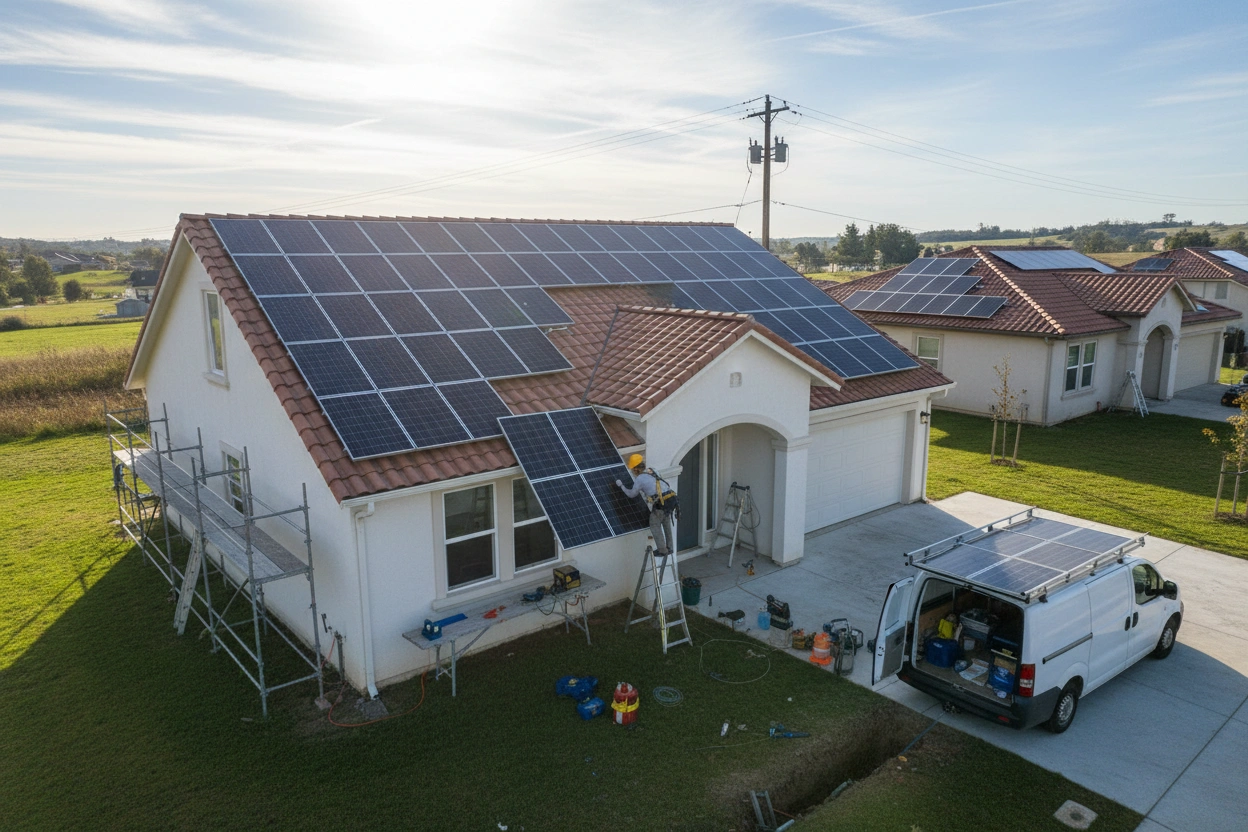
When planning for solar installation, several key factors will influence the overall costs. Understanding these elements can help you make informed decisions.
1. Location
Your geographical location plays a crucial role in determining the cost of solar. Areas with higher sunlight exposure will yield more energy, making solar installations more effective. Additionally, local incentives, rebates, and net metering policies can significantly impact the financial feasibility of a solar project.
- Sunlight Exposure: States with abundant sunshine, such as California and Arizona, often see higher solar adoption rates due to the increased efficiency of solar systems.
- Incentives: Research state and federal incentives available to you, such as the federal solar investment tax credit (ITC), which can offset a significant portion of your installation costs.
2. Financing Options
The method of financing your solar installation can dramatically affect the overall cost. Homeowners can choose to purchase the system outright, finance it with a loan, or opt for a solar lease or power purchase agreement (PPA).
- Outright Purchase: While this option requires the most capital upfront, it typically offers the best long-term savings and benefits from available tax credits.
- Financing: Many lenders offer solar loans with competitive interest rates. These loans can be structured to allow for lower monthly payments while still benefiting from solar energy savings.
- Leasing and PPAs: These options allow homeowners to install solar systems with little to no upfront costs. However, they may limit the financial benefits associated with ownership, such as tax credits.
3. System Design and Size
The design of your solar system will also affect costs. A well-designed system tailored to your energy needs can improve efficiency and reduce overall expenses.
- Energy Needs Assessment: Conduct an energy audit to determine your household's energy consumption. This information can help you size your solar system appropriately.
- Customization: Custom systems may incur additional costs, but they can maximize energy output based on your specific needs and conditions.
4. Maintenance and Warranty
Understanding the long-term costs associated with maintenance and warranties is crucial. While most solar panels come with warranties of 25 years, other components may require maintenance or replacement. Understanding the long-term costs associated with maintenance and warranties is crucial.
- Routine Maintenance: Regular cleaning and inspections can help maintain system efficiency. Budgeting for periodic maintenance can prevent unexpected costs down the line.
- Warranty Coverage: Assess the warranty options for both panels and inverters. Comprehensive warranties can provide peace of mind and financial protection.
Common Misconceptions About Solar Costs

Despite the growing popularity of solar energy, several misconceptions persist regarding its costs and benefits. Addressing these myths can help you make informed decisions.
Myth 1: Solar is Too Expensive
Many homeowners assume that solar is out of reach financially. While initial costs can be high, the long-term savings on energy bills and available incentives can significantly offset these expenses.
Myth 2: Solar Panels Are Inefficient
Some believe that solar panels are not effective unless they are in areas with consistent sunlight. However, modern solar technology has improved efficiency significantly, allowing systems to generate power even in less-than-ideal conditions.
Myth 3: Solar Systems Require Extensive Maintenance
While solar systems do require some maintenance, they are generally low-maintenance compared to other home systems. Most homeowners can perform simple cleaning tasks, and professional maintenance is only needed occasionally.
Actionable Tips for Minimizing the Cost of Solar
When considering solar installation, there are several strategies you can employ to minimize costs effectively.
1. Take Advantage of Incentives
Research local, state, and federal incentives to determine what financial support is available for your solar project. Utilizing tax credits and rebates can dramatically lower the upfront costs.
2. Compare Quotes from Multiple Installers
Always seek multiple quotes from various solar installation companies. This practice not only gives you a better understanding of the market rates but also allows you to gauge the quality of service provided.
3. Consider Community Solar Programs
If rooftop solar is not feasible for your home, explore community solar programs. These initiatives allow you to invest in or subscribe to a shared solar project, offering the benefits of solar energy without the need for individual installations.
4. Optimize Your Energy Consumption
Before installing solar, consider ways to reduce your overall energy consumption. Implementing energy-efficient appliances and practices can decrease the size of the solar system needed, ultimately saving you money.
Leveraging Technology for Cost Reduction
In recent years, advancements in technology have further reduced the cost of solar installations. New solar panel designs, energy storage solutions, and smart home integrations can enhance efficiency and reduce costs.
Solar Panel Innovations
Modern solar panels are designed to capture more sunlight and convert it into usable energy. Innovations such as bifacial panels, which capture sunlight from both sides, and high-efficiency models can increase energy production without significantly raising costs.
Energy Storage Solutions
Investing in energy storage systems, such as home batteries, can enhance the value of your solar installation. These systems allow you to store excess energy generated during the day for use during peak hours or at night, further decreasing reliance on grid electricity.
Smart Home Integration
Integrating solar systems with smart home technology can optimize energy usage. Smart thermostats and energy management systems can help you monitor and control energy consumption, maximizing the benefits of your solar investment.
The Benefits of Going Solar
Choosing to install solar panels can yield numerous benefits beyond just cost savings. Here are some advantages to consider:
- Environmental Impact: Solar energy is a renewable resource that reduces reliance on fossil fuels, lowering carbon emissions and environmental degradation.
- Energy Independence: By generating your own electricity, you become less vulnerable to fluctuating energy prices and potential outages.
- Increased Property Value: Homes with solar installations often see an increase in property value, making it a worthwhile investment if you decide to sell.
The Role of SolarQuest AI in Your Solar Journey
Understanding the cost of solar and navigating the installation process can be complex. SolarQuest AI provides valuable resources and tools to help you assess your options and make informed decisions regarding solar energy. Whether you are looking for cost estimates, financing options, or installation services, SolarQuest AI is designed to assist homeowners in maximizing the benefits of solar energy.
By utilizing the insights from this article, you can approach your solar installation with confidence, knowing you are making a sound financial decision. If you are ready to explore how solar can fit into your home and budget, contact SolarQuest AI for personalized support and guidance tailored to your specific needs.