
Overcoming Common Challenges in Solar Financing Solutions
The solar energy industry has witnessed significant growth in recent years, driven by advancements in technology, decreasing costs, and an increasing focus on sustainability. However, despite these positive trends, many individuals and businesses still face challenges when it comes to financing solar energy projects. Understanding the various solar financing solutions available, including loans, leases, and incentives, is crucial for making informed decisions. This article provides a comprehensive overview of the common challenges associated with solar financing solutions and offers actionable insights to overcome them.
Understanding Solar Loans

Solar loans are a popular financing option that allows homeowners and businesses to fund their solar energy installations. Unlike leases or power purchase agreements (PPAs), solar loans enable borrowers to own their solar systems outright, which can lead to greater long-term savings and benefits.
Types of Solar Loans
- Secured Loans: These loans are backed by collateral, such as the solar system itself or the property on which it is installed. Because they are less risky for lenders, secured loans typically offer lower interest rates.
- Unsecured Loans: These loans do not require collateral, making them accessible to a broader range of borrowers. However, they often come with higher interest rates due to the increased risk for lenders.
- Home Equity Loans: Homeowners can use the equity in their property to secure financing for solar installations. This option may offer favorable terms but also increases the risk associated with the property.
Benefits of Solar Loans
- Ownership: Borrowers who finance their systems through loans own the solar panels outright, allowing them to take advantage of tax incentives and rebates.
- Potential Savings: By owning the system, homeowners and businesses can benefit from lower electricity bills over time, leading to significant savings.
- Increased Property Value: A solar installation can enhance the value of a property, making it more attractive to potential buyers.
Common Challenges in Solar Financing Solutions
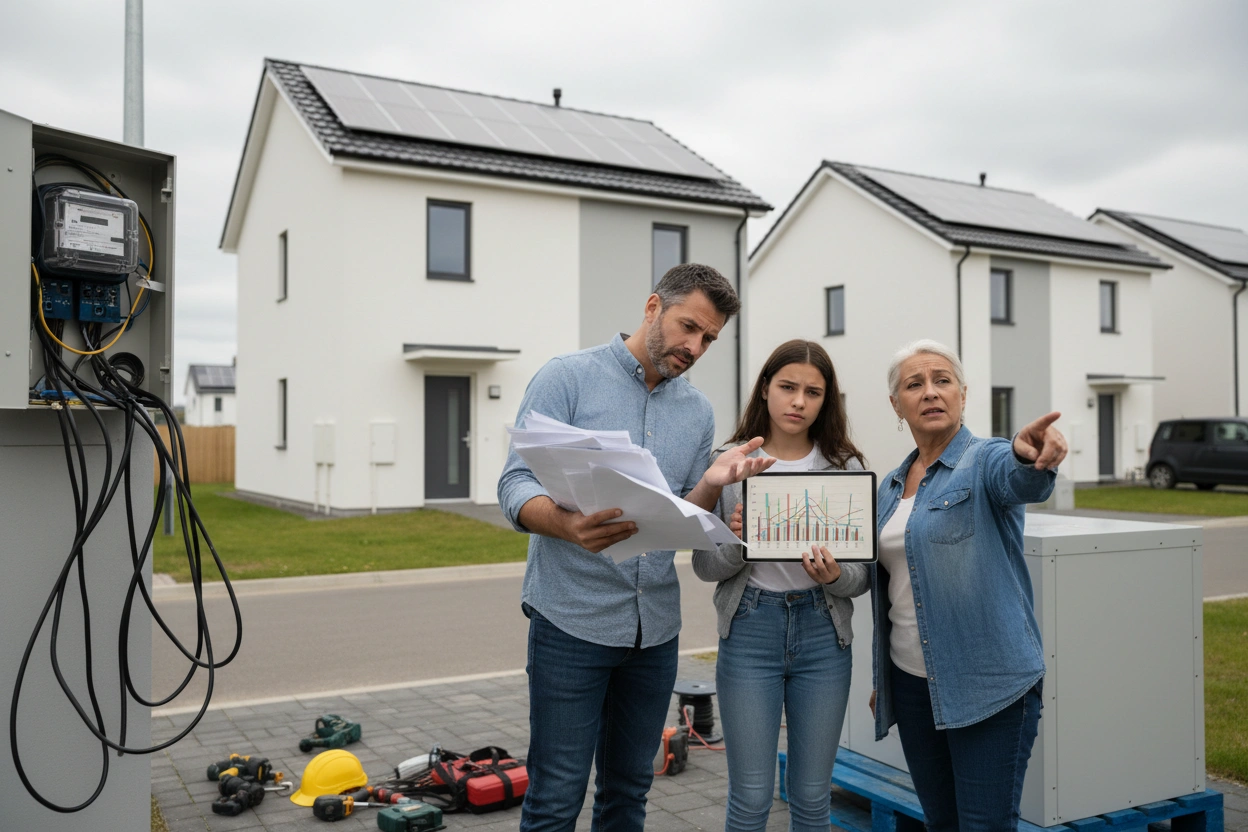
Despite the advantages of solar financing solutions, several challenges can hinder the process. Understanding these obstacles can help prospective solar adopters navigate their options more effectively.
1. High Upfront Costs
One of the most significant barriers to solar adoption is the initial investment required for installation. Even with incentives, the upfront costs can be prohibitive for many homeowners and businesses.
Solutions to Address High Upfront Costs
- Government Solar Incentives: Many governments offer tax credits, rebates, and grants to offset the costs of solar installations. Understanding available incentives can substantially reduce the financial burden.
- Financing Options: Exploring various financing options, such as solar loans or leases, can help spread the costs over time, making solar energy more accessible.
2. Limited Awareness of Financing Options
Many potential solar customers are unaware of the different financing solutions available to them. This lack of awareness can lead to missed opportunities and suboptimal financial decisions.
Strategies to Improve Awareness
- Educational Resources: Providing clear and accessible information about solar financing options can empower consumers to make informed decisions. Utilizing online platforms, workshops, and community events can facilitate education.
- Consultation Services: Engaging with solar financing experts can help individuals and businesses navigate their options. Consulting services can tailor solutions to specific financial situations and needs.
3. Complexity of the Application Process
Navigating the application process for solar financing can be complex and time-consuming. Incomplete or inaccurate applications can lead to delays or denials, further complicating the financing process.
Tips for Streamlining the Application Process
- Prepare Documentation: Gather all necessary documentation in advance, including income statements, credit reports, and property information. This preparation can help expedite the application process.
- Utilize Online Tools: Many lenders provide online calculators and applications that simplify the process. Taking advantage of these resources can save time and reduce errors.
The Role of Government Solar Incentives

Government solar incentives play a crucial role in promoting solar energy adoption by making financing more accessible and affordable. These incentives can take various forms, including tax credits, rebates, and grants.
Types of Government Solar Incentives
- Federal Tax Credit: In the United States, the federal solar tax credit allows homeowners and businesses to deduct a significant percentage of the cost of solar systems from their federal taxes. This incentive can substantially reduce the upfront cost of solar installations.
- State and Local Incentives: Many states and local governments offer additional incentives, such as cash rebates or performance-based incentives. These programs can vary widely, so researching local options is essential.
- Grants and Low-Interest Loans: Some programs provide grants or low-interest loans to help fund solar projects, particularly for low-income households or non-profit organizations.
Impact of Government Incentives on Solar Financing Solutions
Government incentives make solar financing solutions more appealing by:
- Reducing the overall cost of installation
- Increasing the return on investment for solar projects
- Encouraging broader adoption of renewable energy technologies
Addressing Common Misconceptions
There are several misconceptions surrounding solar financing solutions that can hinder adoption. Addressing these myths is vital for fostering a better understanding of the benefits and possibilities of solar energy.
Misconception 1: Solar is Only for Wealthy Homeowners
Many people believe that solar energy is only an option for affluent homeowners. In reality, financing solutions, government incentives, and innovative programs have made solar energy accessible to a wider range of individuals and businesses.
Misconception 2: Solar Financing is Complicated and Confusing
While the financing landscape can appear complex, numerous resources and professionals are available to simplify the process. Engaging with solar financing experts can provide clarity and guidance throughout the journey.
Misconception 3: Solar Systems Require High Maintenance
Solar systems generally require minimal maintenance. Regular inspections and occasional cleaning are typically sufficient to ensure optimal performance, making solar energy a low-maintenance option.
Practical Tips for Securing Solar Financing Solutions
Successfully securing solar financing solutions requires careful planning and execution. Here are several practical tips to enhance your chances of obtaining favorable financing.
1. Assess Your Financial Situation
Before pursuing solar financing, evaluate your financial situation. Understand your credit score, income, and existing debts. This assessment will help you determine the types of financing options that may be available to you.
2. Research Available Incentives
Investigate the various government solar incentives available in your area. Understanding what is offered can help you make informed decisions and maximize your savings.
3. Compare Financing Options
Take the time to compare different financing options, including loans, leases, and PPAs. Assess the terms, interest rates, and potential savings associated with each option.
4. Seek Professional Guidance
Consulting with solar financing professionals can provide valuable insights and help you navigate the application process. They can assist in identifying the best financing solutions tailored to your specific needs.
The Future of Solar Financing Solutions
As the solar industry continues to grow, the financing landscape is expected to evolve. Innovative financing models, increased government support, and advancements in technology will likely enhance accessibility and affordability for consumers.
Trends to Watch
- Community Solar Programs: These programs allow individuals to invest in shared solar installations, making solar energy accessible to those who may not have suitable roofs for solar panels.
- Green Bonds: The rise of green bonds as a financing mechanism for renewable energy projects can provide additional funding options for solar installations.
- Flexible Financing Models: New financing models, such as pay-as-you-go systems, are emerging, making it easier for consumers to adopt solar energy without significant upfront costs.
Empowering Your Solar Journey with SolarQuest AI
The landscape of solar financing solutions is filled with opportunities and challenges. Understanding the various financing options, government incentives, and common misconceptions can empower individuals and businesses to make informed decisions about solar energy adoption.
SolarQuest AI is dedicated to helping you navigate the complexities of solar financing solutions. Our platform provides valuable insights and resources to ensure you can take full advantage of available incentives and financing options tailored to your needs.
For more information on how to effectively implement solar financing solutions for your project, visit SolarQuest AI and start your journey towards sustainable energy today.