
Selecting Solar Equipment: Insights From a Solar Installation Guide
As the demand for renewable energy sources continues to rise, solar energy remains a leading choice for homeowners and businesses alike. Selecting the right solar equipment is crucial for maximizing efficiency and ensuring a successful installation. This solar installation guide serves as a comprehensive solar installation guide, providing detailed insights into choosing the right components and understanding the associated costs.
Understanding Solar Equipment
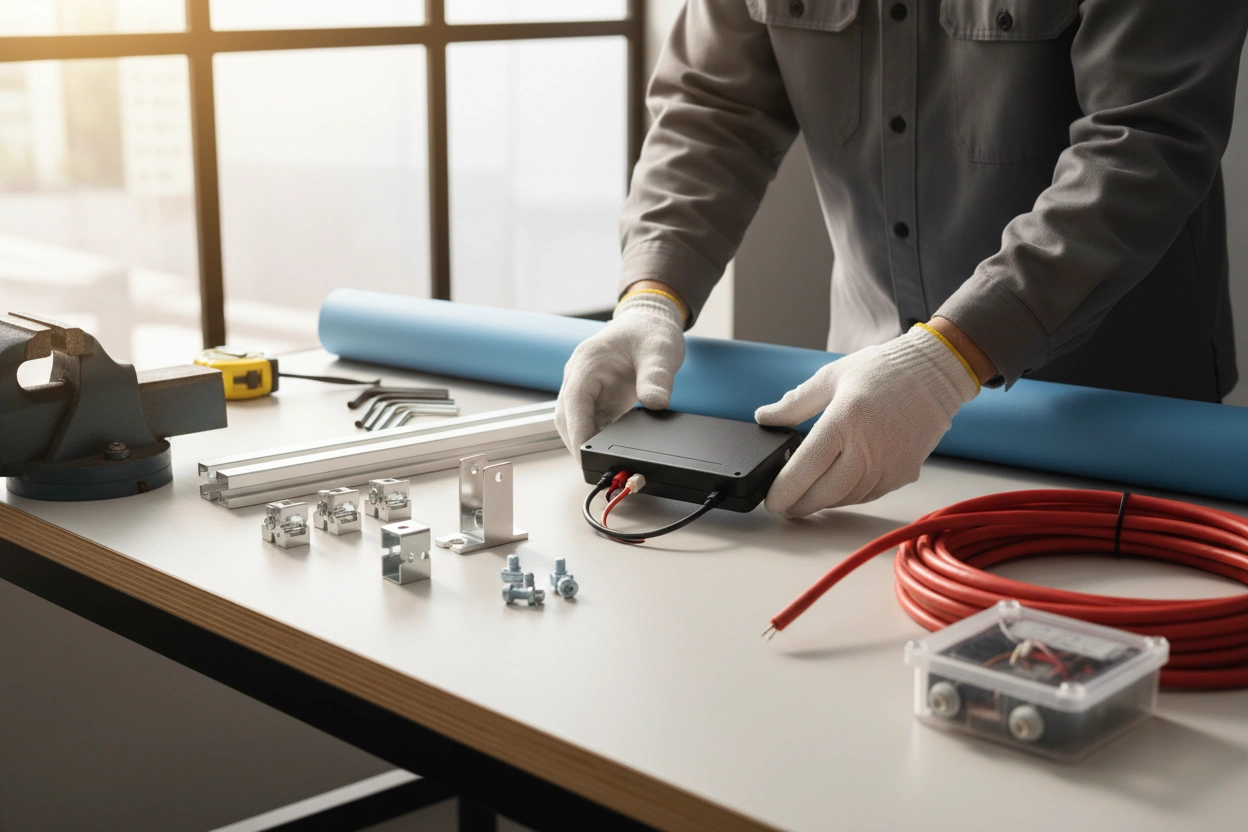
When embarking on a solar installation, it’s essential to familiarize yourself with the various types of solar equipment available. Solar energy systems typically consist of solar panels, inverters, batteries, and mounting systems. Each component plays a significant role in the overall efficiency and effectiveness of the solar setup.
Types of Solar Panels
Monocrystalline Panels: These panels are made from a single crystal structure, which allows them to achieve higher efficiency rates, typically between 15-22%. They are also space-efficient, making them suitable for residential rooftops with limited space.
Polycrystalline Panels: Constructed from multiple crystal structures, these panels are generally less expensive but also less efficient, with efficiency rates around 13-16%. They are often chosen for larger installations where space is less of a concern.
Thin-Film Panels: These panels are lightweight and flexible, making them easier to install in various applications. However, they have lower efficiency rates (about 10-12%) and may require more space compared to crystalline panels.
Inverters: The Heart of the System
The inverter is a critical component that converts the direct current (DC) generated by solar panels into alternating current (AC) used by most household appliances. There are three main types of inverters:
String Inverters: These are the most common type and connect multiple solar panels in a series. They are cost-effective but can be less efficient in shaded areas since the performance of the entire string can be affected by one panel.
Microinverters: Installed on each panel individually, microinverters allow for better performance optimization. This setup is particularly beneficial in installations where shading is an issue.
Power Optimizers: These devices are similar to microinverters but work in conjunction with string inverters. They enhance the performance of each panel while still allowing for a centralized inverter system.
Cost Breakdown of Solar Installation
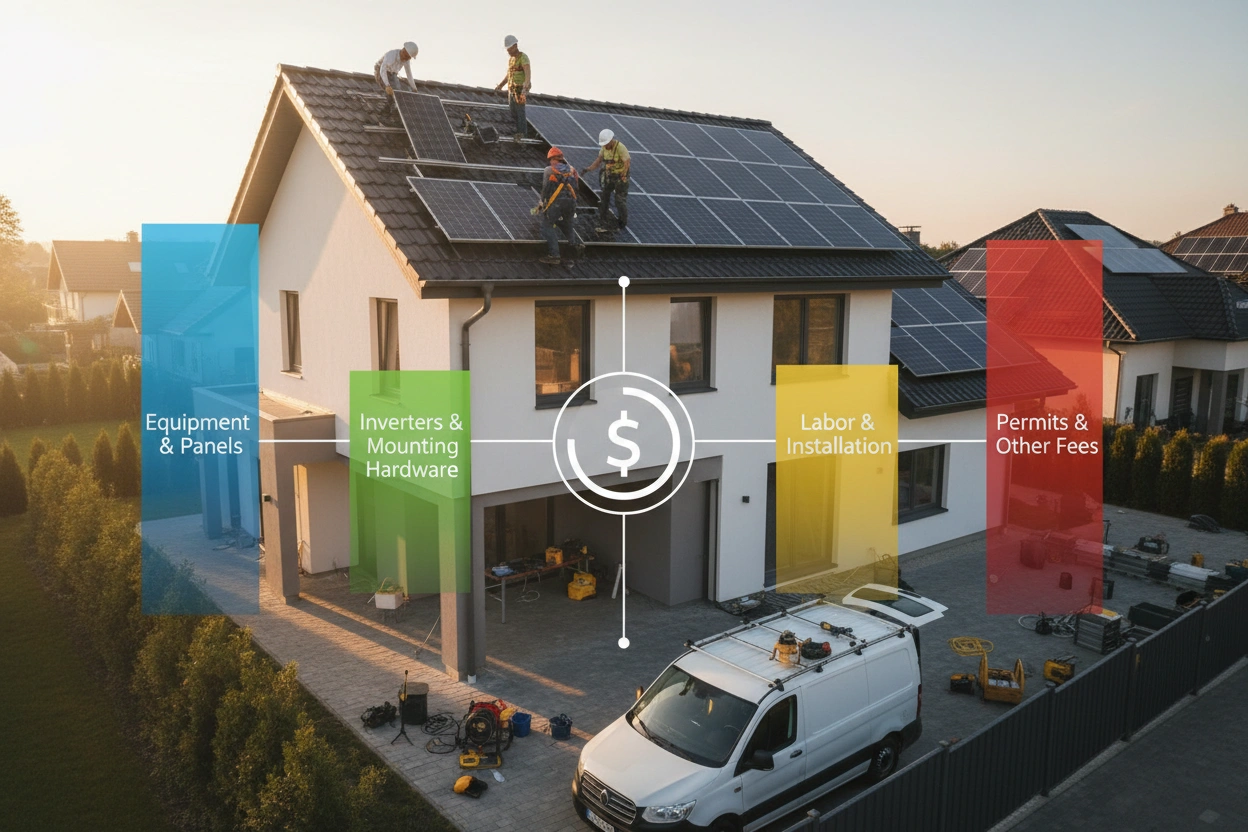
Understanding the financial aspects of solar installation is vital for making informed decisions. Here’s a breakdown of the primary costs associated with a solar installation.
Equipment Costs
Solar Panels: The cost of solar panels varies widely based on type and efficiency. On average, homeowners can expect to pay between $0.70 and $1.50 per watt for solar panels. For a typical 6 kW system, this can range from $4,200 to $9,000.
Inverters: Inverter prices range from $1,000 to $3,000 depending on the type and capacity. Microinverters generally cost more upfront but can lead to higher energy production in the long run.
Batteries: If you choose to include battery storage, expect to pay anywhere from $5,000 to $15,000 depending on capacity and brand. Batteries are essential for maximizing energy independence and reliability during outages.
Installation and Labor Costs
Installation costs can vary based on location, system size, and complexity. Generally, labor costs can account for 10-20% of the total installation cost. Homeowners should budget for:
- Installation Labor: Typically ranges from $0.50 to $1.50 per watt.
- Permitting Fees: Depending on local regulations, permitting fees can add $100 to $1,000 to the total cost.
- Inspection Costs: These can vary but generally fall between $100 to $500.
Incentives and Financing Options
Several incentives can help offset the costs of solar installation:
- Federal Tax Credit: Homeowners may qualify for a federal tax credit that allows them to deduct a percentage of the installation cost from their federal taxes.
- State Incentives: Many states offer additional incentives, such as rebates or tax credits, which can significantly reduce upfront costs.
- Financing Options: Various financing options are available, including solar loans, leases, and power purchase agreements (PPAs). Each option has its pros and cons and should be evaluated based on individual circumstances.
Common Mistakes to Avoid in Solar Installation
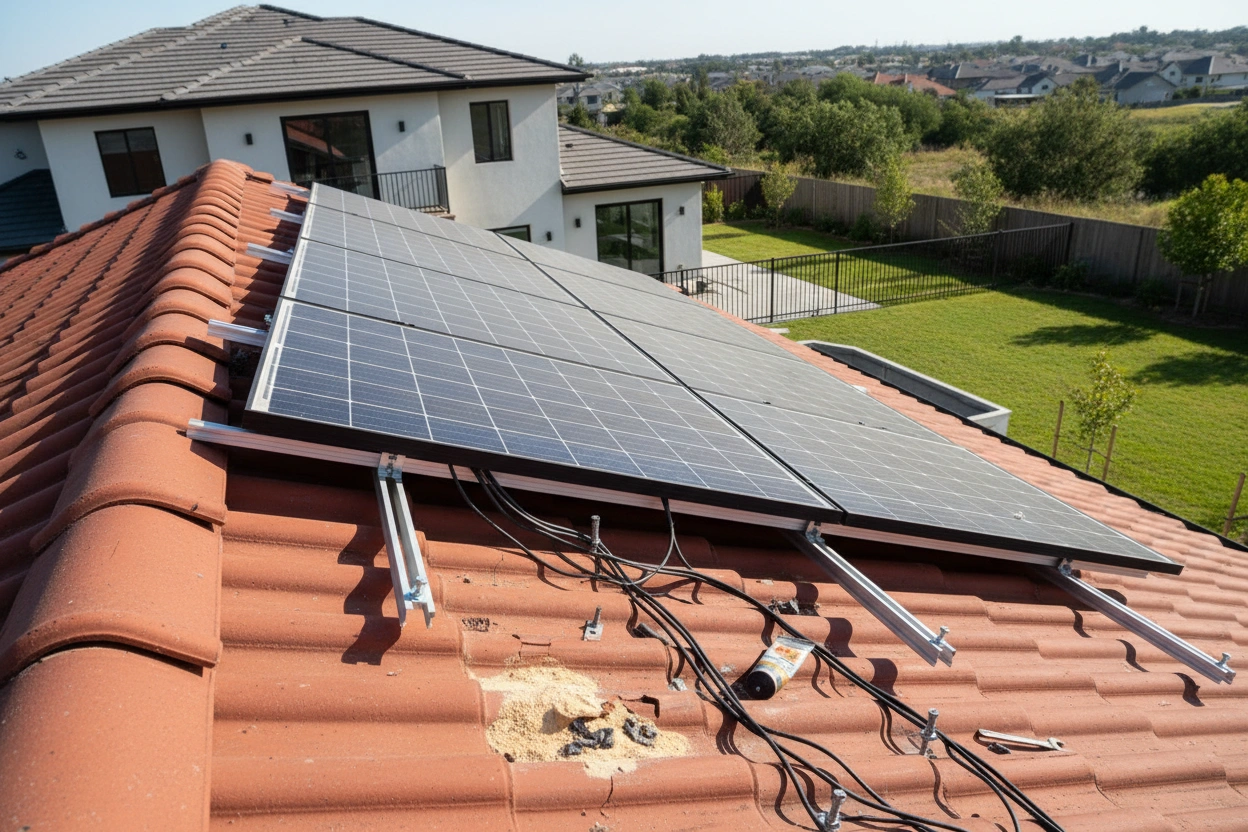
When planning a solar installation, several common pitfalls can hinder your project. Awareness of these mistakes can help ensure a smoother installation process.
Overlooking Site Assessment
A thorough site assessment is essential for determining the optimal location for solar panels. Factors such as shading from trees or buildings, roof orientation, and pitch should be evaluated. Failing to conduct a proper assessment can lead to suboptimal energy production.
Ignoring Local Regulations
Each locality has specific regulations regarding solar installations, including zoning laws and permitting requirements. Neglecting to comply with these regulations can result in fines or project delays. It is advisable to consult local authorities or a best solar installers to navigate these complexities effectively.
Choosing the Wrong Equipment
Selecting low-quality equipment to save costs can lead to long-term issues, including decreased efficiency and increased maintenance. Prioritize investing in high-quality solar panels and inverters from reputable manufacturers to ensure reliability and performance.
Actionable Insights for a Successful Solar Installation
To maximize the benefits of your solar installation, consider these actionable insights:
Perform a Detailed Cost-Benefit Analysis: Assess the long-term savings versus the initial investment to determine the feasibility of solar for your situation.
Research Solar Equipment Reviews: Before making a purchase, read solar equipment reviews to gain insights into performance, reliability, and customer satisfaction.
Work with Reputable Installers: Select a licensed and experienced solar installer who can provide a detailed proposal and help navigate local regulations.
Stay Informed on Technology Advancements: The solar industry is continually evolving. Keeping abreast of new technologies can help you make informed decisions regarding upgrades and future expansions.
The Role of SolarQuest AI in Your Solar Journey
SolarQuest AI offers innovative tools and resources that can assist you throughout your solar installation process. From evaluating your energy needs to selecting the right equipment, SolarQuest AI can provide personalized recommendations tailored to your unique circumstances.
Why Choose SolarQuest AI?
- Data-Driven Insights: SolarQuest AI utilizes advanced algorithms to analyze your specific energy needs and provide optimized solutions.
- Comprehensive Resources: Access a wealth of information, including installation guides, equipment reviews, and financial analysis tools.
- Expert Support: Benefit from expert advice and guidance at every step of your solar journey, ensuring a seamless transition to renewable energy.
Maximizing Your Solar Investment with SolarQuest AI
Selecting the right solar equipment is fundamental to the success of your solar installation. By leveraging the insights provided in this solar installation guide, you can make informed decisions that maximize your investment. SolarQuest AI stands ready to support you in this endeavor, helping you navigate the complexities of solar energy with confidence.
Contact SolarQuest AI today to learn how we can assist you in selecting the right solar equipment and optimizing your solar installation.