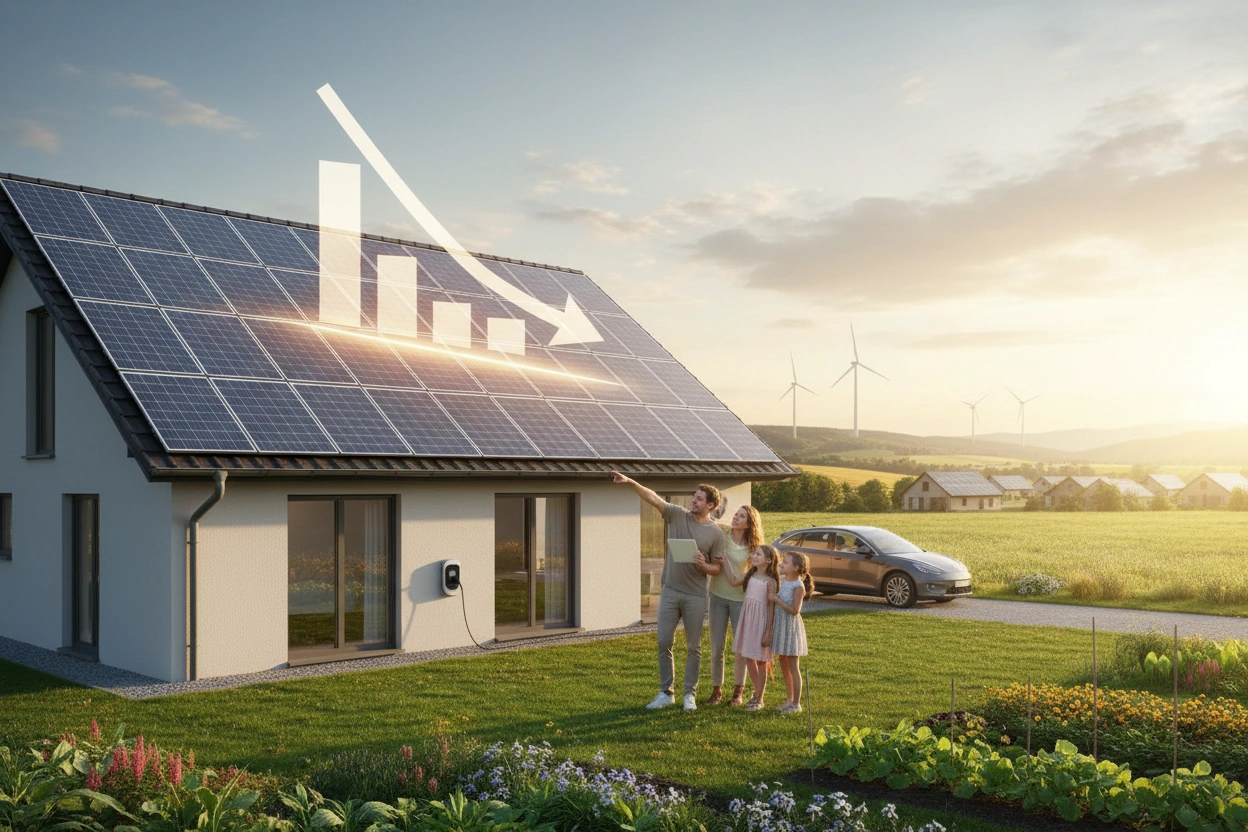
Top Ways to Lower the Cost of Solar With 2026 Incentives
In recent years, the cost of solar energy systems has significantly decreased, making solar power a more accessible option for homeowners and businesses alike. As of 2026, various incentives and programs are available to further reduce the financial burden associated with solar installation costs. Understanding these incentives and the factors that influence the cost of solar can empower you to make informed decisions and maximize your savings. This article explores the top ways to lower the cost of solar with 2026 incentives and highlights key factors that affect solar installation costs.
Understanding Incentives for Solar Installation in 2026

Government incentives play a pivotal role in reducing the cost of solar installations. By taking advantage of tax credits, rebates, and other financial programs, you can significantly lower the initial investment required for solar energy systems.
Federal Solar Tax Credit
The Federal Solar Tax Credit, also known as the Investment Tax Credit (ITC), allows homeowners to deduct a percentage of their solar installation costs from their federal taxes. As of 2026, this tax credit remains at 26%, providing substantial savings for those who qualify. It's essential to ensure that your installation meets the requirements set forth by the IRS to benefit from this credit.
State and Local Incentives
Many states and local governments offer additional incentives to promote solar energy adoption. These can include:
- Cash rebates for solar installations
- Property tax exemptions for solar energy systems
- Sales tax exemptions on solar equipment
Researching your state’s specific programs can uncover valuable opportunities to further reduce your overall costs.
Utility Company Programs
Some utility companies provide incentives for customers who install solar energy systems. These programs may include performance-based incentives, where you earn money based on the energy your solar system produces, or upfront cash rebates. Check with your local utility provider to learn about available programs that could benefit your solar investment.
Top Solar Installation Cost Factors to Consider
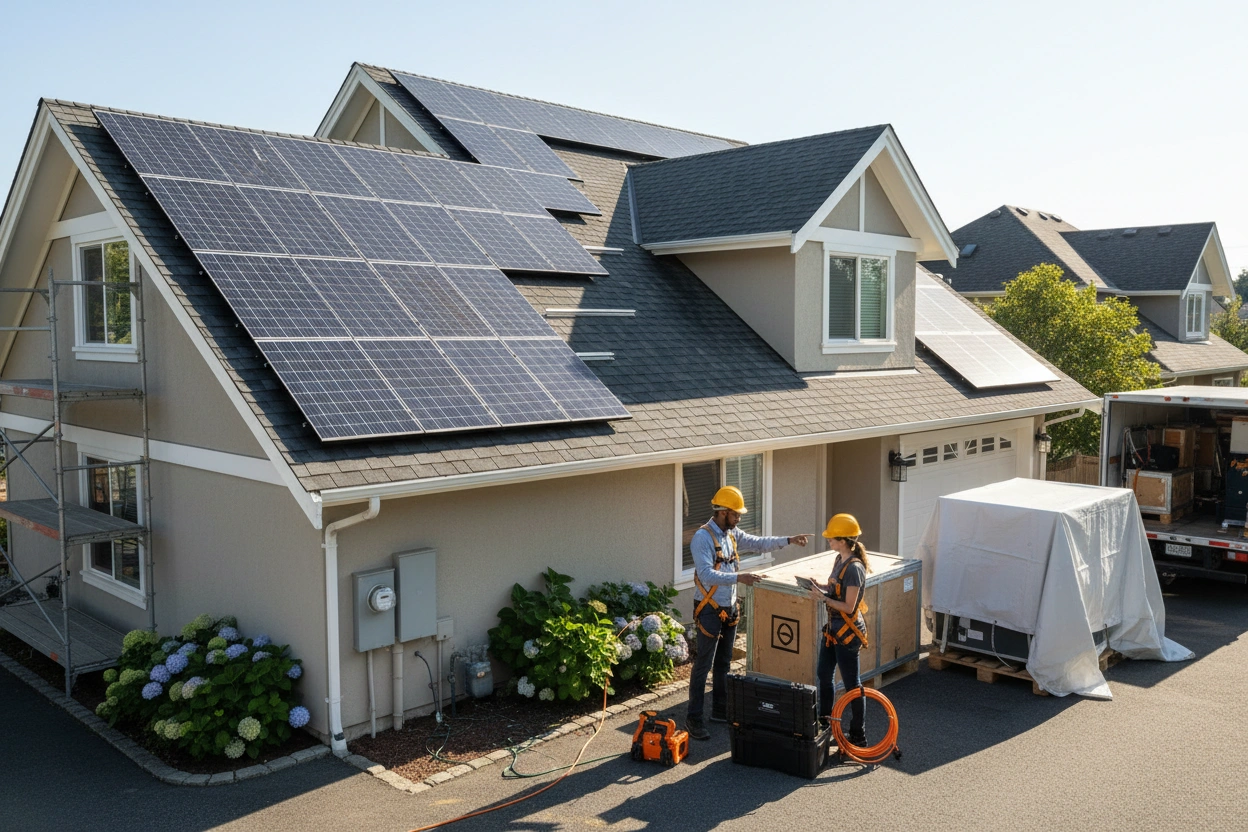
When evaluating the cost of solar, it's crucial to understand the various factors that influence the overall price. By addressing these factors, you can make strategic decisions that help lower your solar installation costs.
1. System Size and Type
The size of your solar energy system has a direct impact on installation costs. Larger systems typically require more equipment and labor, resulting in higher upfront costs. However, larger systems can also yield greater energy savings over time. Consider the following when determining your system size:
- Your energy consumption patterns
- Roof space and orientation
- Local solar potential
Selecting the appropriate system type—whether photovoltaic (PV) or solar thermal—also influences costs. PV systems convert sunlight into electricity, while solar thermal systems use sunlight to heat water. Assess your energy needs to choose the most suitable option.
2. Equipment Quality
The quality of the solar panels and inverters you choose can affect both the initial investment and long-term performance of your system. Higher-quality equipment typically comes with a higher price tag but offers better efficiency and durability. When evaluating equipment options, consider:
- Brand reputation and warranties
- Efficiency ratings
- Long-term performance history
Investing in quality equipment can lead to significant savings over the lifespan of your solar system.
3. Installation Complexity
The complexity of the installation process can vary significantly depending on your home's architecture and existing electrical systems. Factors that can complicate installation include:
- Roof type (flat, sloped, or irregular)
- Structural modifications needed
- Local permitting requirements
More complex installations often require additional labor and time, increasing overall costs. Working with experienced solar installers can help streamline the process and minimize unexpected expenses.
4. Labor Costs
Labor costs can vary based on location and the availability of skilled solar installation professionals. In areas with high demand for solar installations, labor costs may be higher. To ensure competitive pricing, consider obtaining quotes from multiple installers and assessing their qualifications and experience.
5. Financing Options
The way you choose to finance your solar installation can also impact the overall cost. Several financing options are available, including:
- Cash purchases
- Solar loans
- Leases and power purchase agreements (PPAs)
Each option comes with its own set of benefits and drawbacks. For example, cash purchases provide immediate ownership and savings but require a significant upfront investment, while leases and PPAs offer lower initial costs but may limit your long-term savings potential.
Common Misconceptions About Solar Costs

Understanding the common misconceptions surrounding the cost of solar can help you make more informed decisions and avoid pitfalls.
Misconception 1: Solar is Too Expensive
Many people believe that solar energy systems are prohibitively expensive. However, with the combination of federal and state incentives, as well as decreasing equipment prices, solar has become increasingly affordable. In fact, the cost of solar has dropped by over 70% since 2010, making it a viable option for many households.
Misconception 2: Solar Panels are Only for Sunny Climates
While sunny climates do optimize solar energy production, advancements in solar technology have made it possible for systems to perform efficiently even in less sunny areas. Factors such as panel orientation and shading can be adjusted to maximize energy capture, regardless of geographic location.
Misconception 3: Solar Systems Require Constant Maintenance
Solar systems are designed to be low-maintenance. Most solar panels come with warranties that last 20-25 years and require little more than occasional cleaning and inspections. Understanding the true maintenance requirements can alleviate concerns about ongoing costs.
Strategies to Maximize Your Savings
To effectively reduce the cost of solar, consider implementing the following strategies:
1. Take Advantage of Incentives
Always stay informed about the latest incentives available in your area. These can change frequently, and new programs may become available that can significantly lower your overall costs.
2. Compare Multiple Quotes
Before making a decision, obtain quotes from several solar installation companies. This allows you to compare prices, services, and warranties, ensuring you select the best option for your needs.
3. Optimize Energy Efficiency
Improving your home's energy efficiency can reduce the size of the solar system you need, thus lowering installation costs. Consider implementing energy-saving measures such as:
- Upgrading insulation
- Installing energy-efficient appliances
- Using LED lighting
4. Monitor Your Energy Usage
Understanding your energy consumption patterns can help you identify opportunities for savings. By monitoring usage, you can adjust your habits to reduce demand, potentially allowing for a smaller and less expensive solar system.
5. Explore Community Solar Programs
If installing solar panels on your property is not feasible, consider community solar programs. These initiatives allow you to invest in shared solar installations, often at a lower cost than traditional systems.
The Impact of Policy Changes on Solar Costs
As policies and regulations surrounding renewable energy evolve, they can significantly affect the cost of solar installations. Staying informed about potential policy changes and their implications is essential for making informed decisions.
Changes in Tax Credits
The future of the Federal Solar Tax Credit is subject to change. Keeping abreast of legislative developments will help you plan your installation strategically to maximize your savings.
State Policies and Mandates
Some states have implemented renewable portfolio standards (RPS) that require utilities to obtain a certain percentage of their energy from renewable sources. These policies can create additional incentives for solar installations and may lead to further cost reductions.
Local Zoning and Building Regulations
Local regulations can impact installation costs through permitting fees and zoning restrictions. Understanding these regulations early in the planning process can help avoid unexpected expenses.
The Future of Solar Costs
As technology continues to advance, the cost of solar energy systems is expected to decrease further. Innovations in solar panel efficiency and energy storage solutions will contribute to a more affordable and accessible solar market.
Advancements in Solar Technology
Research and development in solar technology are leading to the creation of more efficient panels and inverters, which can reduce installation costs and enhance energy production. Keeping an eye on emerging technologies can provide insights into potential cost savings in the future.
Growing Competition
As more companies enter the solar market, competition is likely to drive down prices, making solar installations even more affordable. This trend can benefit consumers by providing more options and better pricing.
Harnessing the Power of SolarQuest AI
Understanding the cost of solar and navigating the available incentives can be complex. SolarQuest AI offers tools and resources designed to simplify the process and help you make informed decisions about solar energy systems. By leveraging advanced technology and industry expertise, SolarQuest AI can guide you in maximizing your savings and optimizing your solar investment.
Get Started with SolarQuest AI
If you're ready to explore your solar options and learn more about how to lower the cost of solar, connect with SolarQuest AI today. Our team is dedicated to providing you with the insights and support needed to make the most of your solar energy journey.
Visit SolarQuest AI to find out more about how we can assist you in navigating the landscape of solar installation costs and incentives.