
Comparing Solar Panel Pricing: Understanding the True Cost of Solar
The cost of solar energy has become a focal point for homeowners and businesses alike as they consider transitioning to renewable energy sources. As of 2026, the solar market continues to grow, offering various options for installation and financing. However, understanding the true cost of solar involves more than just the price of panels; it encompasses a range of factors that can significantly influence overall expenses. This article provides a comprehensive analysis of the cost of solar, focusing on installation costs and the key factors that affect them.
The Components of Solar Panel Costs
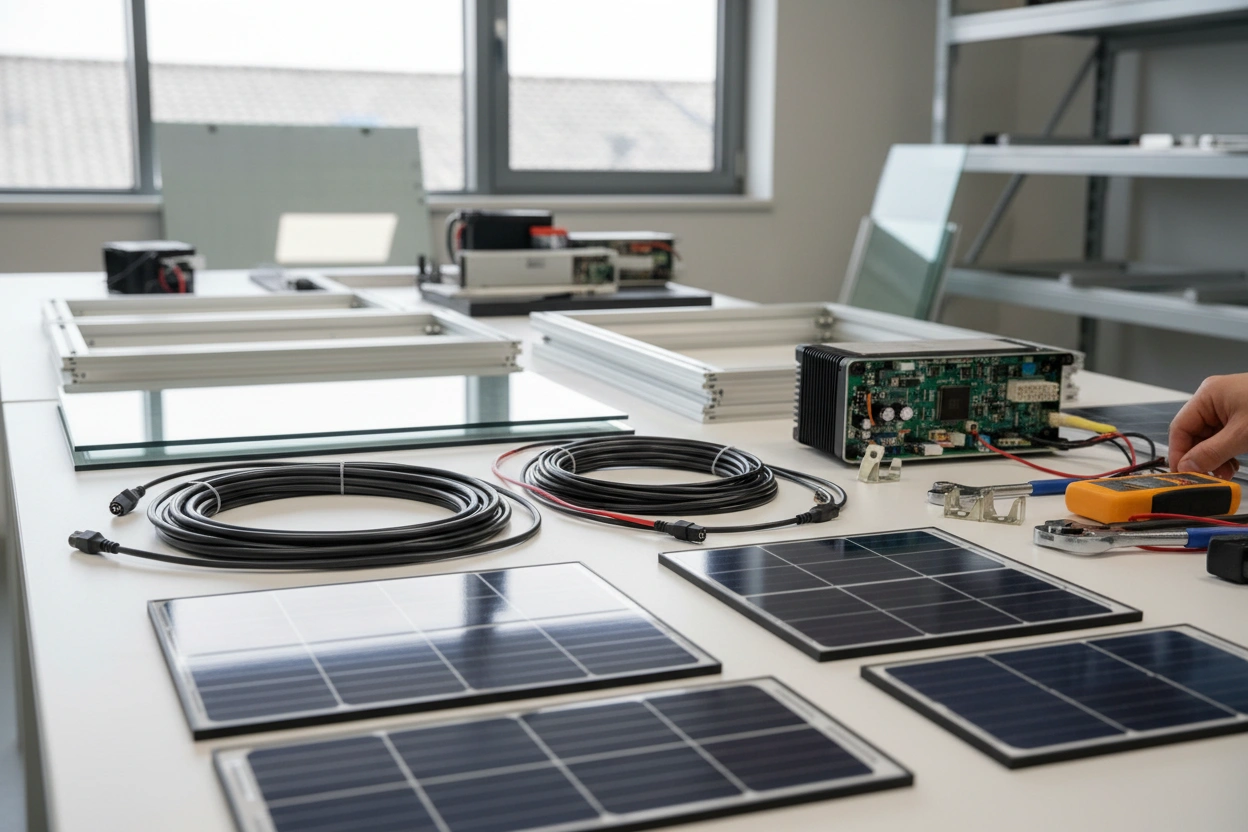
When evaluating the cost of solar, it's essential to break down the various components that contribute to the overall price. The cost of solar can vary widely based on several key factors, which we will examine in detail.
1. Solar Panel Pricing
The cost of solar panels is one of the most visible components in the overall pricing structure. Prices can fluctuate based on the type of solar technology, brand, and market conditions. Currently, the average cost of solar panels is around $2.50 to $3.50 per watt. This price can vary based on:
- The type of solar panel: Monocrystalline panels are typically more efficient but also more expensive than polycrystalline panels.
- Brand reputation and warranty offerings: Established brands may charge a premium for their products.
- Current market demand and supply chain factors: Global events can influence pricing, affecting the availability of materials.
2. Installation Costs
Installation costs are another significant aspect of the overall cost of solar. These costs include labor, permits, and any additional equipment needed for the installation. Here are some key considerations:
- Labor costs can vary significantly by region, often influenced by local wage rates and the availability of skilled workers.
- Permitting fees can add to the cost, with some areas requiring extensive documentation and inspections.
- Additional equipment, such as inverters and mounting systems, can also affect total installation costs.
3. Financing Options
The financing method chosen can greatly impact the perceived cost of solar. Various financing options include:
- Cash purchases: This option provides full ownership of the system but requires a significant upfront investment.
- Solar loans: Homeowners can finance the system over time, which may lead to higher overall costs due to interest.
- Leases and power purchase agreements (PPAs): These options allow homeowners to pay for solar energy rather than the system itself, often resulting in lower initial costs but potentially higher long-term expenses.
Top Solar Installation Cost Factors to Consider
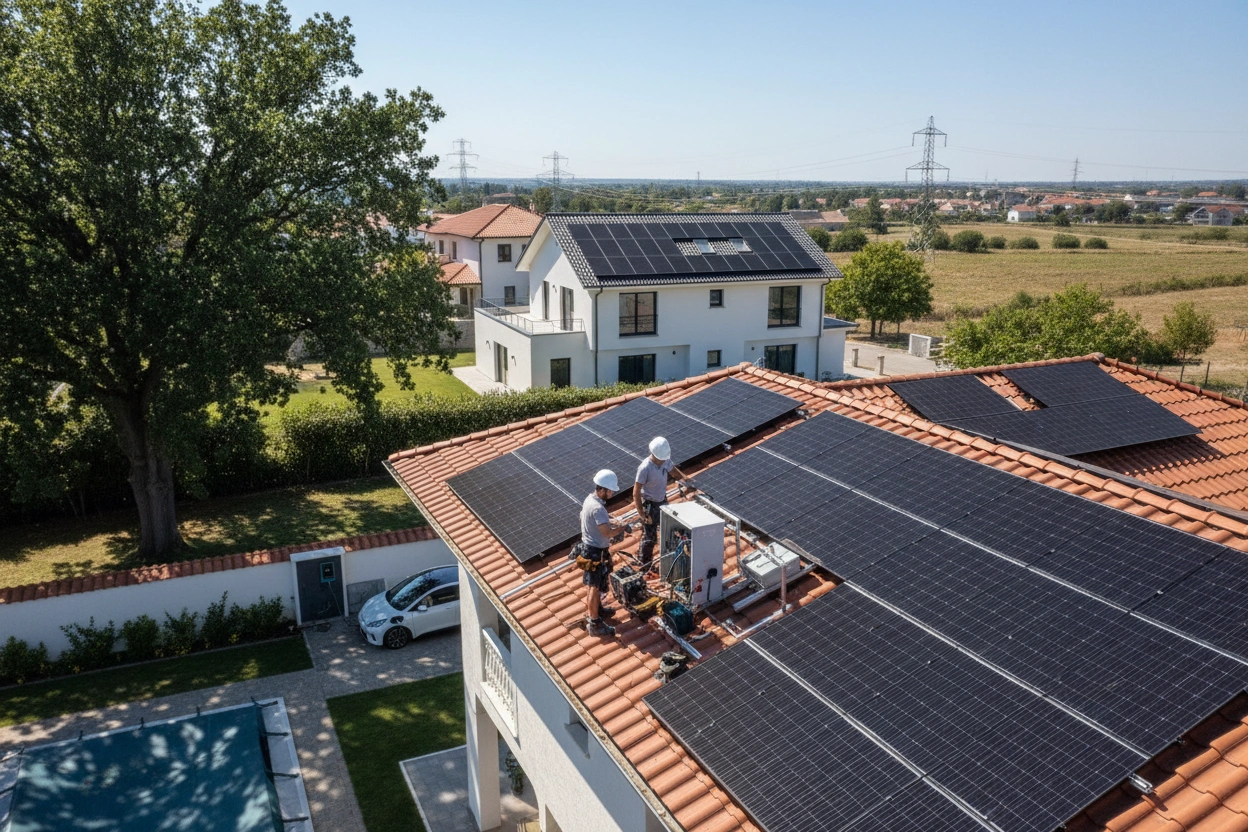
Understanding the cost of solar requires a closer examination of the installation factors that can influence pricing. Here are the most critical factors to consider when evaluating solar installation costs:
1. System Size and Capacity
The size of the solar system directly correlates with its cost. Larger systems generally have a higher upfront cost but can provide more savings over time through energy production. Factors to consider include:
- The energy needs of the household or business: A larger system may be necessary for high energy consumption.
- Roof space availability: Limited space may require a more compact, higher-efficiency system, which can be more expensive.
2. Location and Sunlight Exposure
Geographic location plays a crucial role in the cost of solar. Areas with high sunlight exposure can yield better energy production, making solar systems more financially viable. Key points include:
- Local climate conditions: Regions with more sunny days can significantly increase energy output.
- Incentives and rebates: Certain areas may offer financial incentives that can offset installation costs, making solar more attractive.
3. Incentives and Tax Credits
Government incentives and tax credits can substantially reduce the cost of solar. In 2026, various programs are still available to encourage solar adoption, including:
- Federal tax credits: Homeowners may qualify for a tax credit of up to 26% of the installation cost.
- State and local incentives: Many states offer their own rebates and incentives, which can further reduce costs.
4. Quality of Installation
The quality of the installation process can impact the overall effectiveness and longevity of the solar system. Factors to assess include:
- Experience of the installation team: Choosing a reputable installer with a proven track record can prevent costly mistakes.
- Warranty offerings: A robust warranty can protect against future costs related to repairs or replacements.
Common Misconceptions About Solar Costs

As the cost of solar continues to evolve, misconceptions persist that can deter potential adopters. Addressing these myths can help clarify the true cost of solar.
Misconception 1: Solar is Too Expensive
Many potential customers perceive solar as an expensive investment. While the upfront costs can be high, the long-term savings on energy bills often outweigh the initial investment. Additionally, the availability of financing options and incentives can significantly reduce upfront costs.
Misconception 2: Solar Panels Don't Work in Cloudy Areas
Another common myth is that solar panels are ineffective in less sunny regions. In reality, solar panels can still generate significant energy even in overcast conditions. Their efficiency is based on light availability, not just direct sunlight.
Misconception 3: Maintenance Costs Are High
Potential users often fear that solar systems require extensive maintenance. In truth, solar panels typically require minimal upkeep, with occasional cleaning and inspections being sufficient to maintain performance.
How to Calculate the Cost of Solar
Calculating the cost of solar requires a systematic approach to ensure all factors are considered. Here are the steps involved in estimating the total cost:
- Assess energy consumption: Review utility bills to determine monthly energy usage and peak demand.
- Determine system size: Use this information to estimate the appropriate solar system size.
- Get quotes from multiple installers: Compare pricing, warranties, and installation options from various providers.
- Factor in incentives: Research available tax credits and rebates that can reduce costs.
The Future of Solar Pricing
As of 2026, the solar industry is witnessing a decline in costs due to technological advancements and increased competition. Some trends to watch include:
- Improvements in solar panel efficiency: New technologies are being developed to enhance energy production, potentially lowering overall costs.
- Decreasing installation costs: As more companies enter the market, competitive pricing is likely to benefit consumers.
- Increased adoption of energy storage: The integration of battery systems can enhance the value of solar investments by allowing homeowners to utilize stored energy during peak hours.
The Intersection of Solar Costs and Energy Independence
Understanding the cost of solar is essential for anyone considering this renewable energy source. By evaluating the various components, installation factors, and financing options, homeowners can make informed decisions that align with their energy needs and financial goals.
SolarQuest AI is committed to helping you navigate the complexities of solar energy adoption. With our expert insights and resources, you can better understand the cost of solar and find the best solutions for your specific situation.
If you're ready to take the next step in your solar journey, contact SolarQuest AI to learn more about how we can assist you in harnessing the power of solar energy for your home or business.