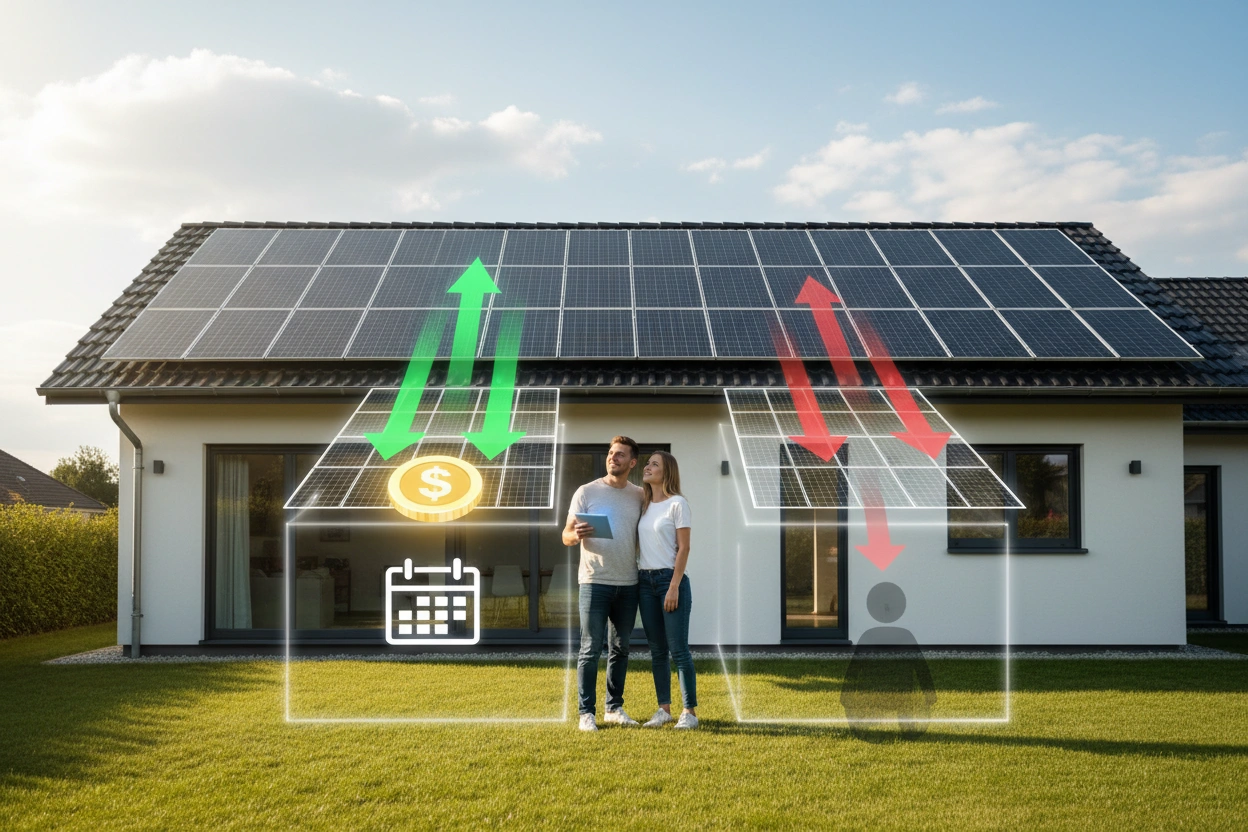
How Solar Incentives in 2026 Impact the True Cost of Solar
The transition to solar energy has been gaining momentum, and as we enter 2026, the cost of solar installation continues to evolve. Understanding the true cost of solar is crucial for homeowners and businesses considering this renewable energy source. Various incentives introduced at both federal and state levels significantly impact these costs, making solar energy more accessible than ever before. This article will explore how solar incentives in 2026 affect the overall cost of solar and highlight key factors to consider when estimating installation costs.
Understanding the Cost of Solar
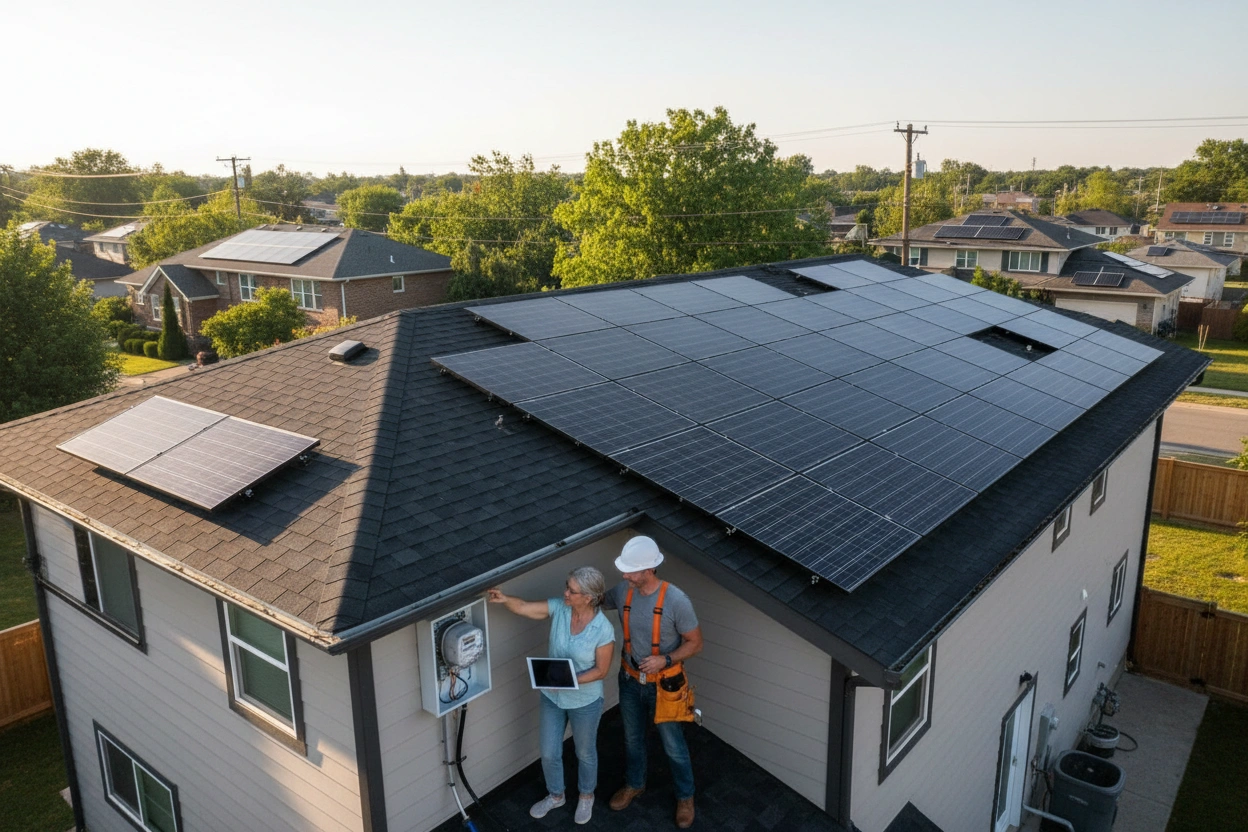
The cost of solar varies widely based on several elements, including the technology used, installation specifics, and local market conditions. In 2026, the average cost of solar per watt is projected to be lower than in previous years due to advancements in technology and increased competition among installers. However, potential solar adopters need to consider more than just the upfront cost when evaluating their investment.
Key Components of Solar Installation Costs
The overall cost of solar comprises several key components that potential buyers must understand:
- Equipment Costs: This includes solar panels, inverters, and mounting systems. The efficiency and brand of the equipment can significantly influence the cost.
- Labor Costs: Installation labor can vary based on the complexity of the system, local labor rates, and installer experience. High-quality installation is crucial for maximizing system performance.
- Permitting and Inspection Fees: Local regulations may impose fees for permits and inspections. These costs can vary widely depending on the jurisdiction and its requirements.
- Maintenance and Monitoring: While solar systems generally require minimal maintenance, ongoing monitoring and occasional repairs should be factored into the long-term cost analysis.
The Role of Incentives in Reducing Costs
Incentives play a pivotal role in making solar energy affordable. In 2026, several programs are available that can significantly reduce the overall cost of solar installation.
- Federal Tax Credit: The federal solar tax credit allows homeowners to deduct a percentage of their solar installation costs from their federal taxes. This incentive can substantially lower the effective cost of solar.
- State and Local Incentives: Many states offer additional rebates, tax credits, or grants to encourage solar adoption. These can vary greatly from one state to another and can significantly impact the overall cost.
- Net Metering Policies: Net metering allows solar system owners to receive credits for the excess electricity they produce and send back to the grid. This can offset future energy bills, effectively reducing the long-term cost of solar.
- Financing Options: Various financing options, including solar loans and leases, enable homeowners to install solar without substantial upfront costs. These options can make solar more accessible, especially for those who may not have the capital for an outright purchase.
Top Solar Installation Cost Factors to Consider

When considering solar installation, understanding the various factors that influence costs is essential for making an informed decision. Here are the most significant factors to keep in mind:
1. System Size and Design
The size of the solar system directly correlates with its cost. Larger systems that generate more electricity will have higher upfront costs but may offer better long-term savings. Consider the following when assessing system size:
- Energy Needs: Evaluate your current energy consumption to determine the appropriate system size. A comprehensive energy audit can help identify your specific needs.
- Roof Characteristics: The design and orientation of your roof can affect system size and efficiency. Roofs that face south and have minimal shading will yield the best results.
2. Technology Type
The type of solar technology you choose will significantly impact the cost. There are primarily two types of solar panels:
- Monocrystalline Panels: Known for their high efficiency and sleek appearance, these panels tend to be more expensive but offer better performance in limited space.
- Polycrystalline Panels: Generally less expensive but slightly less efficient, these panels can be a good option for larger installations where space is not a constraint.
3. Installer Experience and Reputation
The choice of installer can greatly influence both the quality of the installation and the overall cost. Consider the following when selecting an installer:
- Experience: Look for installers with a proven track record and experience in your local market. A reputable installer can help navigate local regulations and ensure a high-quality installation.
- Customer Reviews: Research customer feedback and ratings to gauge the reliability and quality of service provided by potential installers.
4. Local Incentives and Regulations
Local incentives and regulations can vary significantly by location, impacting both the cost and feasibility of solar installation. It is essential to research:
- State Incentives: Each state offers different incentives that can reduce upfront costs. Make sure to check eligibility and application processes.
- Permitting Process: Understand the local permitting process and associated fees, as these can add to installation costs and timelines.
5. Financing Options
How you finance your solar installation can greatly affect your overall investment. Consider these common financing options:
- Cash Purchase: Paying upfront can provide the best long-term savings, especially when combined with available incentives.
- Solar Loans: Loans allow for lower upfront costs while still enabling homeowners to benefit from incentives.
- Leases and Power Purchase Agreements (PPAs): These options allow homeowners to install solar without upfront costs. However, they may not provide the same long-term savings as ownership.
Common Misconceptions About Solar Costs
As solar energy continues to gain traction, several misconceptions about the cost of solar persist. Addressing these can help potential adopters make more informed decisions.
Misconception 1: Solar Is Only for the Wealthy
Many believe that solar energy systems are only affordable for wealthier households. However, with the availability of financing options, federal and state incentives, and decreasing equipment costs, solar energy is becoming increasingly accessible to a broader audience.
Misconception 2: Solar Systems Are Too Expensive to Maintain
Some homeowners worry about the long-term maintenance costs of solar systems. In reality, solar systems are designed to be low-maintenance, with most requiring minimal upkeep aside from periodic cleaning and inspections.
Misconception 3: All Solar Panels Are the Same
Not all solar panels are created equal. Differences in efficiency, warranty, and cost can significantly affect the overall performance of a solar system. It is essential to research and select panels that best meet individual needs and budgets.
The Future of Solar Incentives and Costs
As we look to the future, solar incentives are expected to continue evolving. Policymakers are likely to adapt programs to meet sustainability goals and encourage further adoption of renewable energy.
Potential Changes in Incentives
- Increased Federal Support: There is a possibility that federal incentives may be expanded or extended, further reducing the cost of solar for homeowners.
- State-Level Innovations: States may introduce new programs or adjust existing ones to promote solar adoption, influencing local costs and incentives.
Impact of Technological Advancements
Advancements in solar technology will likely continue to reduce the cost of solar installation. Innovations in energy storage, panel efficiency, and installation techniques can all contribute to lower costs over time.
Understanding the Long-Term Benefits of Solar
Investing in solar energy not only provides immediate financial benefits through incentives but also offers long-term advantages. Here are some of the key benefits:
- Reduced Energy Bills: By generating your own electricity, you can significantly reduce or even eliminate your monthly energy bills.
- Increased Property Value: Homes with solar installations often see an increase in property value, making solar a sound investment.
- Environmental Impact: Solar energy reduces reliance on fossil fuels, contributing to a decrease in greenhouse gas emissions and promoting sustainability.
How SolarQuest AI Can Help You Navigate Solar Costs
The true cost of solar is a multifaceted issue that requires careful consideration of various factors, including incentives, technology, and installation specifics. Understanding these elements can help potential solar adopters make informed decisions that align with their financial goals.
SolarQuest AI offers valuable resources to help you navigate the complexities of solar energy. By providing insights into current incentives, installation options, and solar installation costs, SolarQuest AI can support you in maximizing your investment in solar energy.
If you're ready to explore how to lower the cost of solar for your home or business, consider reaching out for personalized assistance. Contact SolarQuest AI for more information on how to make the most of your solar investment today.