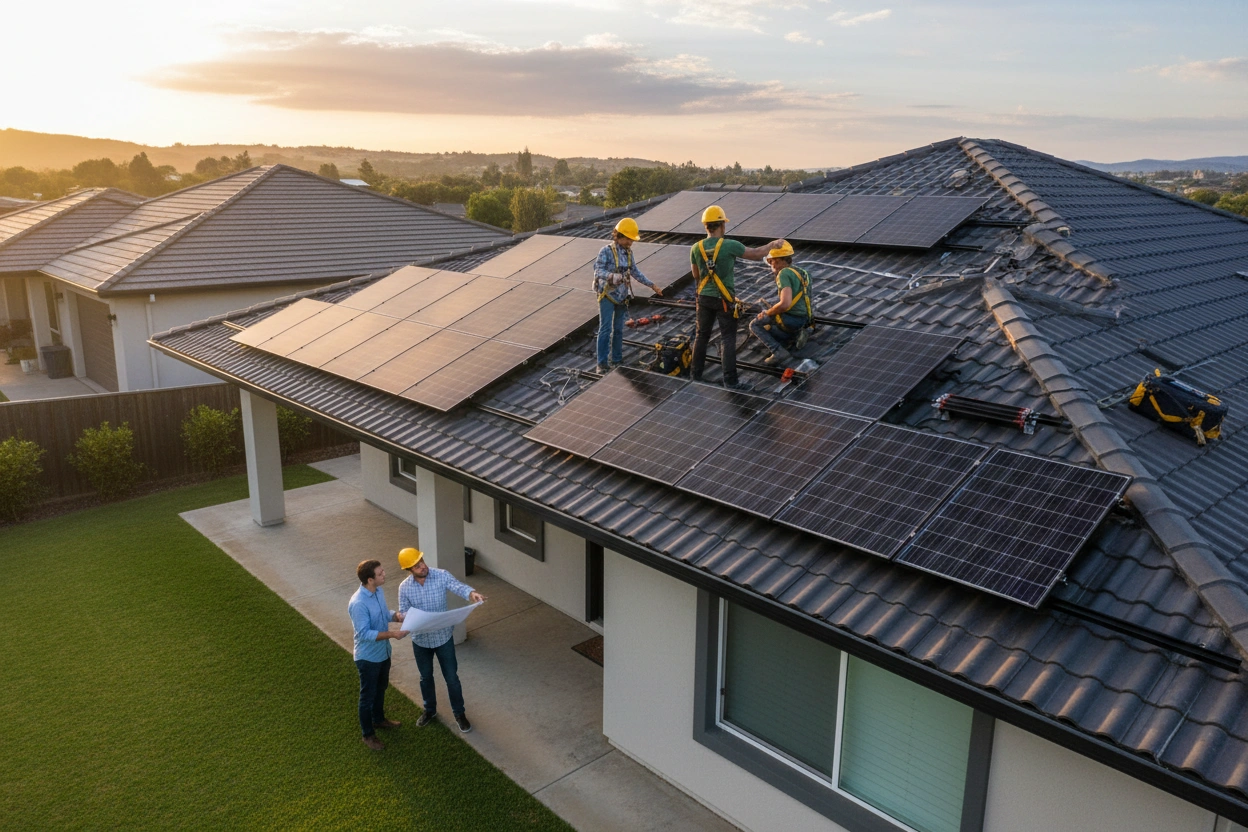
Solar Installation Guide for Homeowners: Avoiding Common Mistakes
As homeowners increasingly seek sustainable energy solutions, solar energy has emerged as a popular choice. Installing solar panels can significantly reduce electricity costs and minimize environmental impact. However, the process involves various steps and potential pitfalls that can lead to costly mistakes. This solar installation guide aims to provide homeowners with essential information to navigate the installation process effectively while avoiding common errors.
In this article, we will cover key aspects of solar installation, including DIY versus professional installation, essential preparation steps, and common mistakes to avoid. By understanding these elements, homeowners can make informed decisions that lead to successful solar panel installations.
Understanding Solar Installation
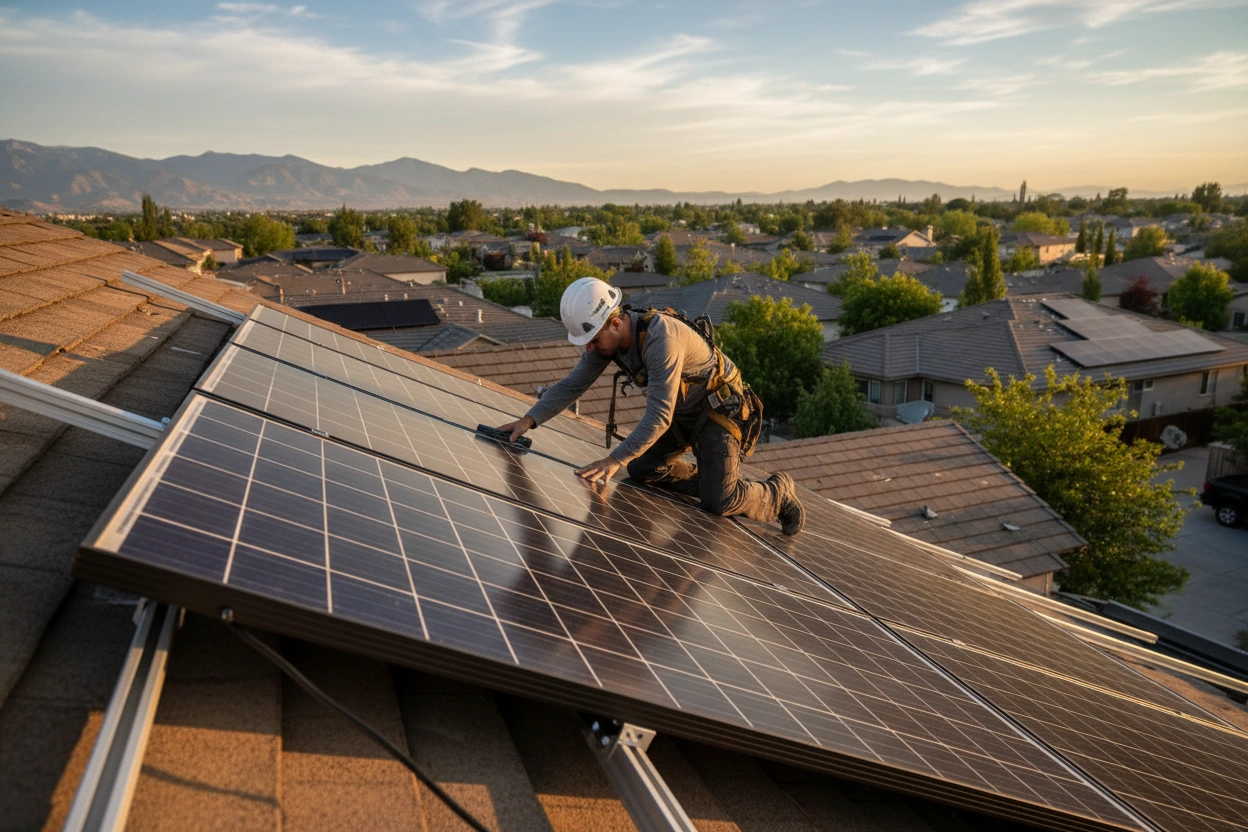
Solar installation refers to the process of setting up solar panels on residential properties to harness solar energy for electricity generation. This process includes several stages, such as planning, selecting equipment, installation, and maintenance. Each stage requires careful consideration to ensure that the system operates efficiently and meets the homeowner's energy needs.
Types of Solar Systems
There are primarily two types of solar systems that homeowners can consider:
Grid-Tied Systems: These systems are connected to the utility grid, allowing homeowners to draw power from the grid when solar production is low. They often include net metering, which credits homeowners for excess energy produced and sent back to the grid.
Off-Grid Systems: These systems are not connected to the utility grid and rely solely on solar energy. Homeowners must invest in battery storage to ensure they have power during cloudy days or at night.
Understanding the differences between these systems helps homeowners choose the right setup based on their energy needs and budget.
Key Components of a Solar Installation
The primary components of a solar installation include:
Solar Panels: The most visible part of the system, these panels convert sunlight into electricity. They come in various types, such as monocrystalline, polycrystalline, and thin-film.
Inverters: These devices convert the direct current (DC) electricity generated by the solar panels into alternating current (AC) electricity, which is used in homes.
Mounting Systems: These structures secure the solar panels to the roof or ground. Proper installation is crucial for the system's durability and efficiency.
Battery Storage: For off-grid systems or homeowners wanting backup power, batteries store excess energy generated during the day for use when solar production is low.
By understanding these components, homeowners can make informed choices about their solar installation.
DIY vs Professional Installation
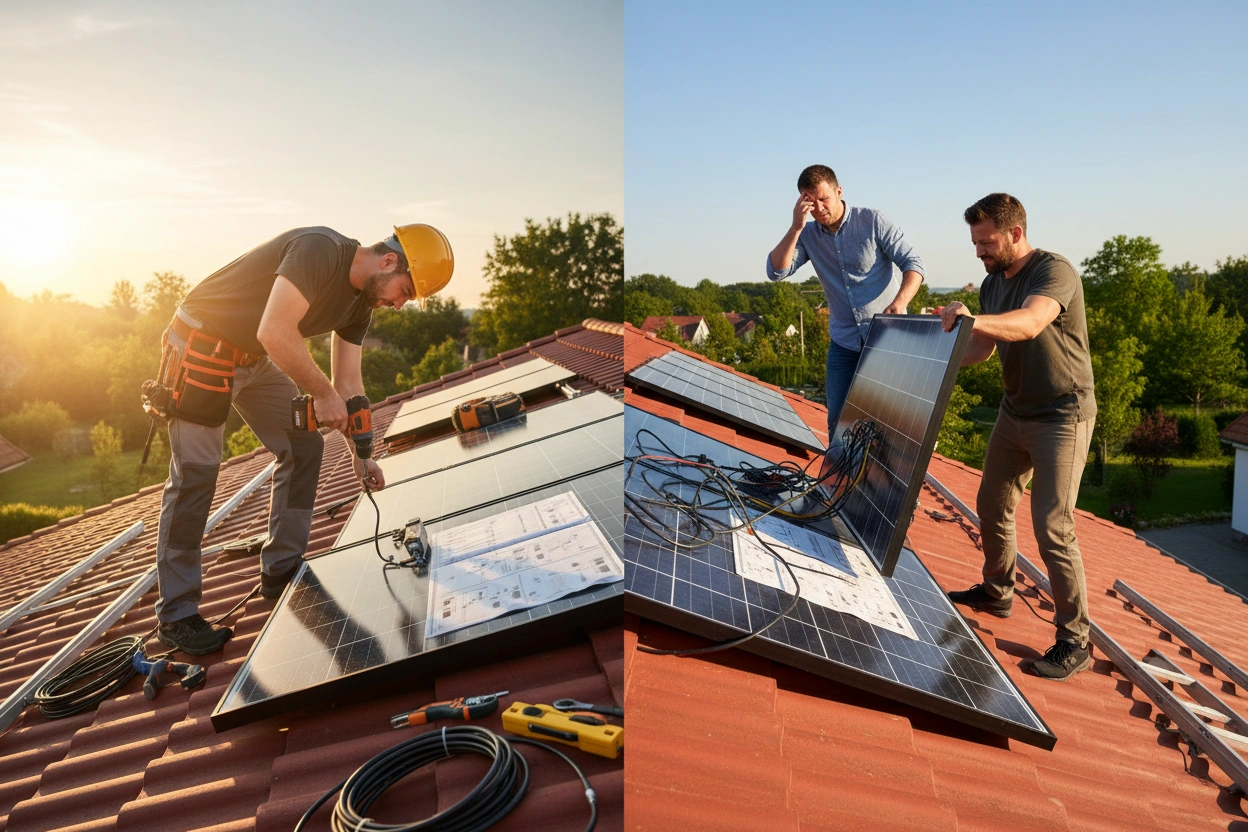
One of the first decisions homeowners face is whether to undertake a DIY solar installation or hire professionals. Both options have their pros and cons, which should be carefully considered before making a choice.
Advantages of DIY Solar Installation
Many homeowners consider a DIY solar installation due to potential cost savings and a sense of personal accomplishment. Here are some advantages:
Cost Savings: DIY installations eliminate labor costs, which can account for a significant portion of the total installation expense.
Personal Satisfaction: Completing a DIY project can be rewarding, allowing homeowners to take pride in their work.
Learning Opportunity: The process of researching and installing solar panels can provide valuable knowledge about renewable energy.
However, DIY installations also come with challenges that can lead to costly mistakes if not approached carefully.
Disadvantages of DIY Solar Installation
While DIY installations can be appealing, they also come with risks:
Lack of Expertise: Without professional knowledge, homeowners may overlook critical details, leading to inefficient systems or safety hazards.
Permitting and Regulations: Navigating local regulations and securing necessary permits can be complicated without professional assistance.
Warranty Issues: Many manufacturers require installations to be performed by certified professionals for warranty coverage.
Given these considerations, homeowners should weigh their skills and comfort level against potential challenges when deciding between DIY and professional installation.
Essential Preparation Steps
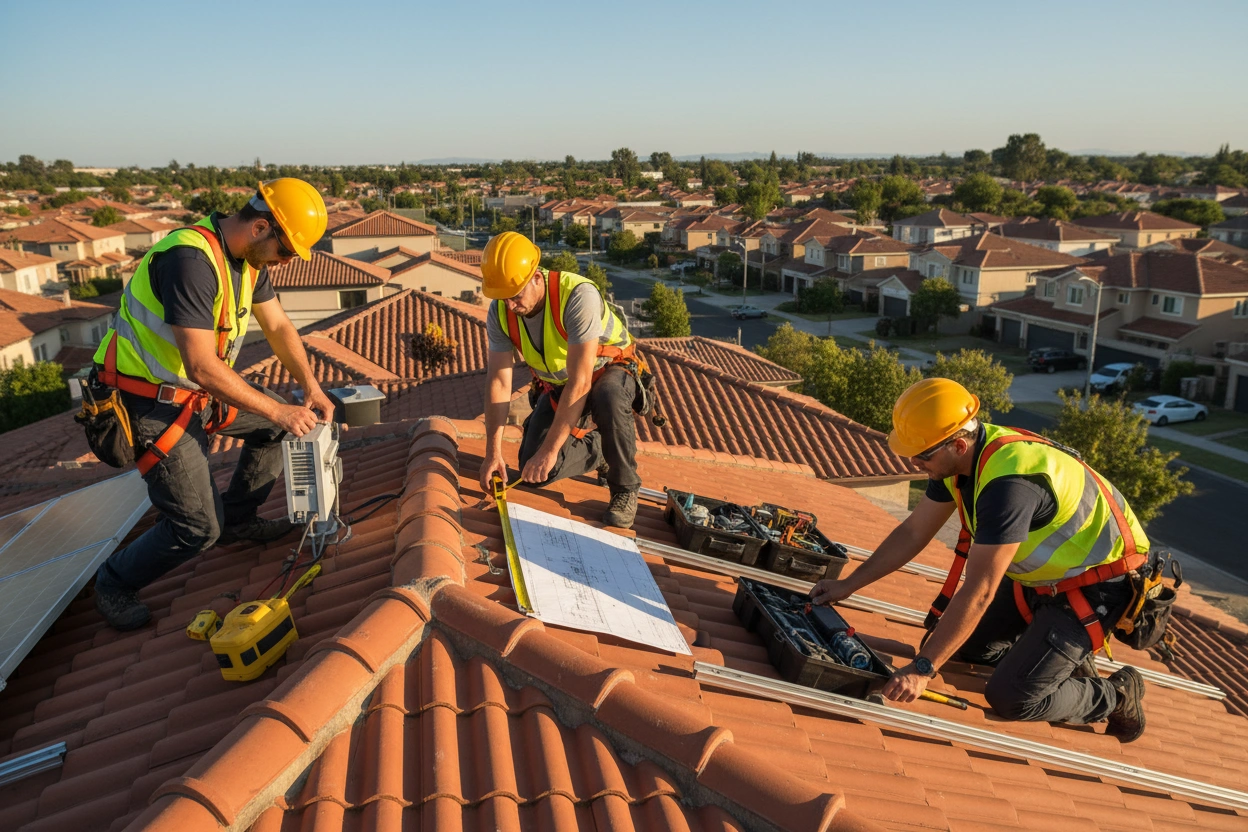
Regardless of the chosen installation method, certain preparation steps are vital to ensure a successful solar installation.
Step 1: Assess Your Energy Needs
Before proceeding with solar installation, homeowners should evaluate their energy consumption patterns. This assessment includes:
- Reviewing past utility bills to understand monthly energy usage.
- Identifying peak usage times and potential energy-saving opportunities.
- Considering future energy needs, such as planned home renovations or electric vehicle purchases.
This analysis helps determine the appropriate size of the solar system needed to meet energy demands effectively.
Step 2: Evaluate Your Roof
The condition and orientation of your roof significantly impact solar panel performance. Homeowners should consider:
Roof Age and Condition: A roof in poor condition may require repairs or replacement before installing solar panels.
Orientation and Tilt: South-facing roofs with a tilt angle between 30-45 degrees typically yield the best solar production.
Shading: Trees, buildings, or other obstructions can block sunlight, reducing system efficiency. Homeowners should assess their property for potential shading issues.
A thorough roof evaluation ensures that the installation will provide optimal energy production.
Step 3: Research Local Incentives and Regulations
Many regions offer financial incentives for solar installations, including tax credits, rebates, and grants. Homeowners should investigate:
Federal Tax Credits: The federal government offers a tax credit for solar installations, which can significantly reduce upfront costs.
State and Local Incentives: Various states have their own incentive programs, which may include additional tax credits or cash rebates.
Permitting Requirements: Local regulations may dictate specific installation practices, so understanding these rules is crucial for compliance.
By researching these incentives, homeowners can maximize their return on investment.
Common Mistakes to Avoid
Even with thorough preparation, homeowners can still encounter challenges during solar installation. Here are some common mistakes to avoid:
Inadequate Research
Many homeowners fail to conduct sufficient research before purchasing equipment or selecting installers. This oversight can lead to suboptimal choices and wasted money. Homeowners should:
- Compare different solar panel brands and types based on efficiency, warranty, and cost.
- Read reviews and seek recommendations for reputable installers or DIY resources.
Underestimating Costs
Homeowners may overlook hidden costs associated with solar installation, leading to budget shortfalls. Common expenses include:
- Installation materials and equipment.
- Permitting fees and inspection costs.
- Ongoing maintenance and repair expenses.
Having a comprehensive understanding of total costs helps avoid financial surprises.
Ignoring Maintenance
Once installed, solar systems require regular maintenance to ensure optimal performance. Homeowners should:
- Schedule periodic inspections to check for debris, shading, or damage.
- Clean solar panels as needed, especially in areas prone to dust or bird droppings.
Neglecting maintenance can lead to reduced efficiency and increased repair costs over time.
Failing to Plan for Future Changes
Homeowners should anticipate potential changes in their energy needs over time. Failing to consider future expansions, such as electric vehicle charging stations or additional appliances, can result in inadequate system capacity. Planning for future energy demands ensures that the solar system remains effective for years to come.
The Role of SolarQuest AI in Your Solar Journey
As homeowners navigate the complexities of solar installation, utilizing technology can streamline the process. SolarQuest AI offers tools and resources to assist homeowners in making informed decisions about their solar projects. From energy assessments to installation planning, SolarQuest AI can provide valuable insights tailored to individual needs.
By leveraging SolarQuest AI's capabilities, homeowners can enhance their understanding of solar energy, optimize their installations, and ensure long-term satisfaction with their systems.
Making Informed Decisions with SolarQuest AI
Understanding the key aspects of solar installation is essential for homeowners looking to harness renewable energy effectively. This solar installation guide has provided insights into the installation process, considerations for DIY versus professional approaches, and cost breakdown.
As you embark on your solar journey, consider the expertise and resources that SolarQuest AI offers. By utilizing these tools, you can maximize your investment in solar energy and enjoy the benefits of sustainable living.
To learn more about how SolarQuest AI can assist you in your solar installation process, contact SolarQuest AI today.